
Smarter Kitchens in 2026
Your kitchen is getting a brain upgrade. AI powered ovens and stoves are no longer just pre set programs they’re watching how you cook, when you eat, and what you ditch halfway through. Over time, these machines adapt. Burnt toast today? Smarter toast tomorrow. That late night reheated pizza routine? Your stove already knows.
Voice activated cooking assistants are cutting down on chaos too. Ask out loud: “How long should I roast carrots at 400?” and get a straight answer no need to stop and scroll. These assistants also help multitaskers avoid under seasoned meals and overcooked proteins. Precision, minus the guesswork.
And on the planning side, meal apps are outsmarting grocery lists. Plug in your dietary goals, calendar, and flavor preferences, and they’ll spit out a balanced plan, complete with smart shopping tips. They remember what works, skip what doesn’t, and adjust your week when the fridge starts looking empty.
Altogether, these tools aren’t replacing you they’re just making sure dinner happens on time, with fewer mistakes, and maybe even a little style.
Personalized Nutrition from Your Fridge
Your fridge isn’t just storing your food anymore it’s learning from it. With built in sensors and AI routines, smart refrigerators are now managing inventory in real time. Scan your groceries once, and your fridge keeps track of what’s inside, down to the last slice of cheddar.
But it goes past inventory. These systems now cross reference what you have with recipe databases, suggesting what to cook with minimal input. If your eggs are about to expire, you’ll get a heads up with a quick breakfast idea. No more staring into the cold void wondering what’s for dinner.
The personalization doesn’t stop at optimization. Allergies, dietary goals, even your mood (yes, mood) are taken into account. One evening you might get a protein rich, low sodium pasta with suggestions for wine pairings because the AI knows you had a tough meeting at 2 p.m. These tools mean less waste, faster decisions, and smarter eating all from one appliance that used to just hum in the corner.
How AI is Remixing Global Cuisines for Modern Palates
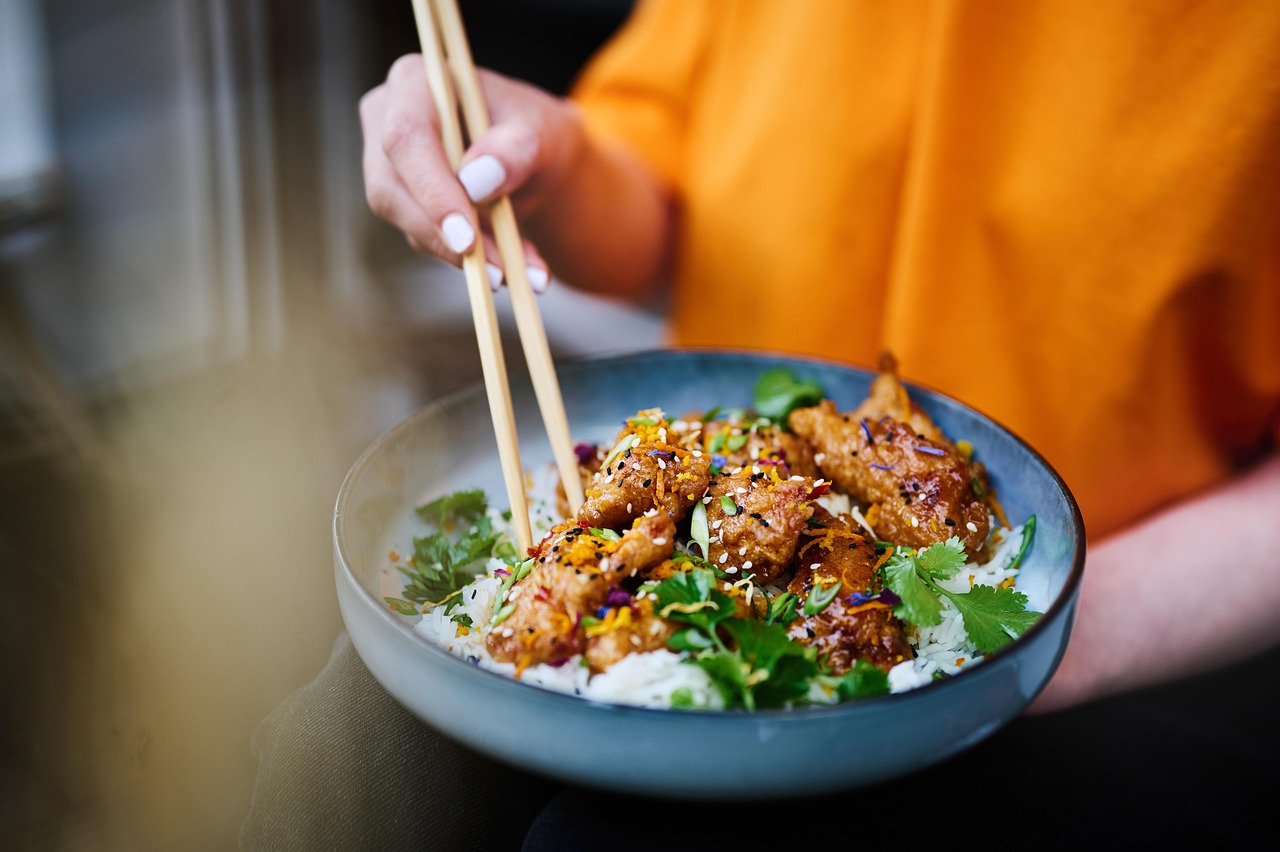
AI isn’t just crunching numbers it’s rethinking flavor. By analyzing regional taste preferences, ingredient pairings, and preparation styles from thousands of culinary traditions, AI is generating fusion ideas that human chefs might never think of. We’re seeing dishes like kimchi carbonara, jackfruit biryani tacos, or wasabi laced vegan shepherd’s pie born in data sets, tested in test kitchens, and then edited by human taste.
What makes this different from old school fusion is precision. AI driven models can detect flavor overlaps across cultures say, the umami punch of mushroom broth and the depth of fermented miso and match them with spices, textures, or plating styles that cross traditional lines in smart ways. These aren’t gimmicks; they aim to balance familiarity with surprise, comfort with edge.
For home cooks or plant based eaters especially, it’s a new frontier. AI has made it easier to swap ingredients without sacrificing authenticity. Want a Thai style curry with Moroccan spices, no dairy, and low sodium? The algorithm’s got you.
Explore New Flavors: Plant Based Cooking Trends You Should Try
Reducing Waste, One Smart Meal at a Time
AI isn’t just jazzing up recipes it’s tackling one of the kitchen’s oldest problems: waste. Predictive cooking algorithms fine tune cook times and ingredient amounts, helping home cooks avoid the classic mistakes of overcooking, cooking too much, or forgetting that half a head of cabbage in the back of the fridge. When a meal plan lines up with your actual eating habits, less goes bad, and you buy only what you’ll use.
Food waste tracking apps are also stepping up. Linked directly to your smart fridge or grocery delivery service, these tools can flag recurring waste patterns say, you keep tossing half used herbs and suggest tighter shopping habits or adjusted portioning. Some even provide recipes built around what’s expiring first.
And it doesn’t stop at the trash can. AI is now nudging users toward better end of life decisions with food. Whether it’s a compost reminder when produce hits its limit or suggested donation drop offs nearby based on what’s in your fridge, these tools blur the line between sustainability and convenience. Bottom line: if you’re tossing less, you’re winning, and AI has your back in the cleanup.
The Human Touch Still Matters
Let’s be clear: chefs aren’t going anywhere. Sure, AI can generate recipes, balance macros, and suggest pairings like a seasoned pro, but it doesn’t know your grandmother’s pasta sauce or how stress tastes like citrus when you’ve had a hard day. Creativity the guts of great cooking still belongs to humans.
Home cooks are also getting savvier. They aren’t letting algorithms take the wheel they’re choosing when and how to lean on them. AI can help plan a week’s meals based on what’s in the fridge. It can remind you not to burn the salmon. But adding a squeeze of lime or a handful of something that “just felt right”? That’s still on you. And that’s where the magic happens.
The future isn’t humans vs. machines. It’s collaboration. As AI studies our flavors, habits, and quirks, it actually gets better at helping but only if we keep showing up and cooking our way. Even the smartest machine needs a human palate to understand why spicy sour hits differently after a breakup, or how shared meals build trust. AI may guide the technique, but people still write the story.
What to Watch in AI + Food
Artificial intelligence is poised to take an even deeper role in the world of food, moving beyond appliances and apps into more immersive, personalized, and even controversial territory. Here are the biggest developments on the horizon:
Real Time Flavor Feedback Is Coming
Imagine adjusting your dish not based on guesswork, but on real time biological feedback. That’s the promise of bio sensor technology pairing with AI.
Bio sensors analyze your saliva, taste receptors, or even neural responses
AI interprets that data to suggest ingredient tweaks on the spot
Feedback helps refine flavors to match individual taste profiles no more “just okay” meals
Personalized Cooking Classes Driven by AI
The next generation of cooking classes won’t just be on demand they’ll be dynamically responsive.
AI guided tutorials that adapt to your voice pace, tone, and clarity
Motion tracking tools to assess your posture, knife skills, or stirring technique
Instant feedback to improve technique, confidence, and consistency
The Ethics of AI in the Kitchen
As AI begins to create entirely new recipes and influence our eating behaviors, it raises serious questions about ownership and authenticity.
Who owns an AI generated recipe? The developer? The user? The algorithm itself?
What happens to traditional recipes? There’s concern that AI could dilute, rebrand, or appropriate cultural dishes without honor or context
Can AI respect culinary heritage? Developers will need to design respectful frameworks that acknowledge human creativity and cultural roots
AI may change how we cook and eat but whether it honors or erodes our food traditions depends on how we build and use it.