Elevated Everyday Vegetables
Root to stem cooking isn’t just trendy it’s practical. Carrot tops aren’t trash, and beet stems have more to offer than compost. More home cooks and chefs are using the whole vegetable, not just the parts we’ve been told to keep. It’s a shift driven by both sustainability and flavor.
On the plate, roasted radishes lose their bite and gain a mellow sweetness. Cabbage, when charred just right, holds its own as a main not a side. Beets? Better marinated and sliced thin than forgotten in the crisper drawer. This isn’t fine dining it’s just a smarter way to cook.
Fermentation is also stepping out of the shadows and into everyday recipes. Miso glazed carrots pack umami where you don’t expect it. Brussels sprouts get a new life with a kimchi style brine. These small tweaks stretch ingredients and deepen taste, without requiring hours in the kitchen or a new appliance. Root to stem and a little fermenting magic can turn the basic into bold.
Global Fusion, Plant First
Plant based cooking in 2026 is moving far beyond tofu and steamed veggies. Around the world, many traditional cuisines already embrace plant first philosophies and now home cooks are taking notes.
Cultures That Lead with Plants
Some of the most inspiring plant based recipes come from regions where meat takes a back seat to grains, legumes, and vegetables. These cuisines offer plant rich traditions with deep roots:
Ethiopian: Injera bread with lentil stews (misir wat), spicy vegetable sides, and chickpea based starters.
Vietnamese: Bright, herbaceous dishes like green papaya salad, pho chay (vegetarian pho), and tofu bánh mì.
South Indian: Coconut chutneys, lentil based dosas, and spice filled curries built around vegetables and grains.
These culinary traditions are flavor forward and deeply satisfying with or without animal products.
Spice is the Star
The unifying thread? Bold spices and aromatic combos that build layers of taste. Whether it’s warming berbere used in Ethiopian dishes, fragrant curry leaves from South India, or the tangy balance of fish free nuoc cham in Vietnamese fare, spice driven meals make meatless cooking exciting, not restrictive.
Use spice blends like berbere, garam masala, or five spice for instant depth
Integrate spice infused oils or quick pickles to build flavor fast
Focus on balance: something bright, something creamy, something crunchy
Easy Wins with Fusion
A growing trend for home cooks and creators alike: blending bold, global flavors into weeknight friendly dishes.
Berbere spiced lentil tacos: A collision of Ethiopian spices and Mexican form
Chickpea curry flatbread pizzas: Indian flavors meet Mediterranean influence
Gado gado grain bowls: Indonesian style peanut sauce over quinoa and market veg
These globally inspired, plant first fusions bridge accessibility and adventure perfect for the modern table.
Bonus tip: Start with one cuisine, master a few flavor elements, and then begin remixing. Fusion doesn’t need to be complicated just intentional.
Future Proteins Are Getting Friendlier
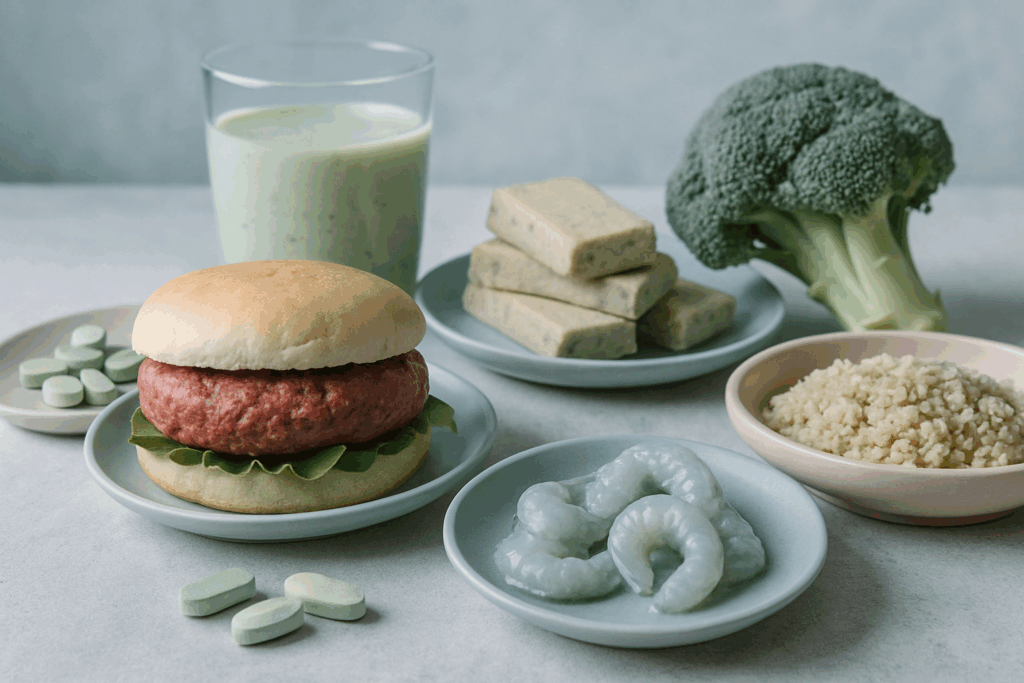
The next generation of plant based proteins is finally catching up to real life taste and texture. In 2026, lupin beans, fermented mycoproteins, and watermelon seed tofu are the heavy lifters in the clean label space. These ingredients are less processed, loaded with protein, and surprisingly adaptable whether you’re pressing tofu cubes for the grill or pan searing a lupin patty.
For anyone tired of ingredient lists that read like science experiments, this shift matters. The spotlight is on whole, single source components that work across cultures and dishes. Think: fermented mycoproteins with umami that holds its own in stews, or watermelon seed tofu that’s lighter than soy but still satisfies. These aren’t niche substitutes anymore they’re routine possibilities.
Meanwhile, home cooks are getting tactical with seitan. By playing with gluten hydration levels, experimenting with freezing and thawing, or folding in lentil flour, people are developing better texture than what’s found in most store bought versions. Softer bite, less rubber, more flavor absorption. It’s DIY food science that doesn’t take a lab coat.
The protein game isn’t just expanding it’s maturing. And that’s good news for anyone trying to eat plants without feeling like they’re settling.
Alternative Flours Take the Lead

Gluten free isn’t the endgame anymore it’s the starting point. Banana flour, millet flour, and tiger nut flour are stepping up for cooks who want versatility without the crash of refined carbs. These flours aren’t just substitutes; they bring their own textures, flavors, and nutrients to the table.
Need to thicken a stew without reaching for cornstarch? Banana flour’s resistant starch holds up under heat. Baking without wheat? Millet flour gives you structure with a nutty backbone, while tiger nut flour adds just enough sweetness to make cookies and quick breads shine.
With more people leaning clean label and whole food, these flours are showing up in kitchens that care less about trends and more about fuel. Want to see how to make the switch without wrecking your recipe? Start here: The Rise of Alternative Flours and What to Do With Them.
Cold Techniques Over High Heat
Raw food is making a quiet but confident reentry this time, with better gear and less fanfare. From beet tartare with citrus oil to paper thin zucchini carpaccio layered with toasted seeds, plant forward chefs are leaning into raw prep not just for the lifestyle points, but for the clarity it brings to texture and color.
Dehydrators are back on the counter. So are mandoline slicers, usually tucked away in the kitchen graveyard. These tools aren’t just trendy they’re practical. Raw dishes, when plated with an eye for contrast and clean lines, hit that sweet spot: minimal effort, maximum visual return.
But this isn’t about diet culture or rigid food rules. The focus is on flavor, nutrient retention, and flexibility. Carrots and parsnips take on candy like qualities when lightly cured. Mushrooms, marinated in umami forward blends, add depth to otherwise stark plates. It’s cooking without fire and it works.
Smarter Staples for Meal Prep
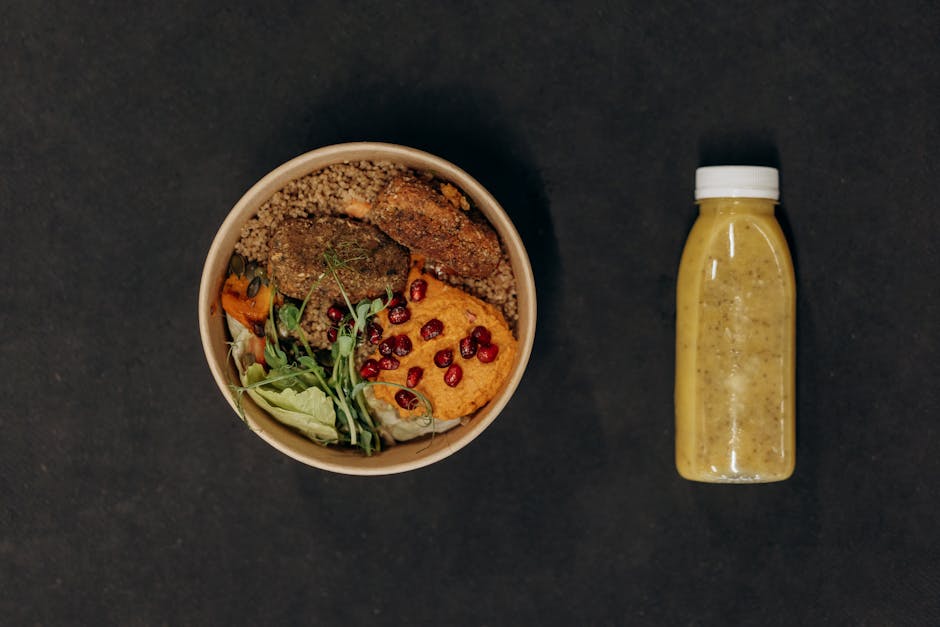
When it comes to plant based eating that fits real life, staple prep is where the magic happens. DIY nut and seed cheeses are stepping firmly into the spotlight not just for vegans but for anyone looking to skip the additives and dial up the flavor. Think creamy cashew spreads with garlic and lemon, or smoky sunflower seed cheese that actually holds its shape.
Grains are getting an overdue glow up too. Fonio and sorghum are low fuss, high reward additions to any meal prep routine. Packed with nutrients, they cook fast and reheat well, meaning your Wednesday bowl can still taste as good as Monday’s.
And flavor? That’s where homemade pickles and infused oils come in. A quick jar of radish pickles or chili infused olive oil can turn a basic grain bowl into something worth talking about. These little extras store well, hit hard on taste, and take the weight off your weeknight cooking. Simple upgrades, big payoff.
Wrap Up: Go Bold, Stay Sustainable
2026 isn’t about gimmicks it’s about smart choices that actually taste good. The new wave of plant based cooking is deeply rooted in flavor, low on waste, and globally inspired without being overcomplicated. You’ve got ingredients showing up in unexpected ways, techniques that coax flavor without relying on fat or fire, and a more thoughtful approach to staples and prep.
You don’t have to overhaul your diet overnight. Pick one trend, try it, tweak it. Swap in banana flour. Try fermenting something. Grab a spice blend you’ve never cooked with. Plants have range, but you’ve got to give them the chance. Keep it simple, stay curious, and let the kitchen surprise you.