
Why Alternative Flours Are Everywhere in 2026
Refined wheat isn’t cancelled but it’s no longer king. More eaters are asking what’s in their bread, their pancakes, even their protein bars. From gut friendly choices to climate aware decisions, people are walking away from the old standards. The driver? A cocktail of dietary shifts: gluten free living is holding steady, but now it’s joined by paleo, low carb, and plant forward approaches that don’t play well with traditional wheat flour.
Meanwhile, sustainability is coming to the dinner table. Consumers want flours that use fewer resources, offer more nutrients, and align with how they want to live whether that’s fewer allergens or smaller carbon footprints.
Back end innovation is making this possible. Ingredients that were once specialty store territory like cassava, teff, banana flour are hitting mainstream grocery shelves thanks to smarter supply chains and global demand. What used to be niche is now accessible. And in 2026, that means alternative flours are not just an option; they’re the new normal.
Almond Flour is a go to for anyone cutting carbs but craving baked comfort. Made from ground almonds, it’s high in protein and fat, which explains why it’s perfect for moist, rich treats like brownies, pancakes, and quick breads. It browns fast, so keep an eye on oven temps. Bonus: it’s naturally gluten free.
Chickpea Flour (Besan) brings a hearty, nutty flavor and a ton of fiber. It shines in savory dishes think vegetable fritters, socca, or as a thickener in sauces. It’s dense on its own, often works best in combination with lighter flours unless you’re going for solid, chewy texture.
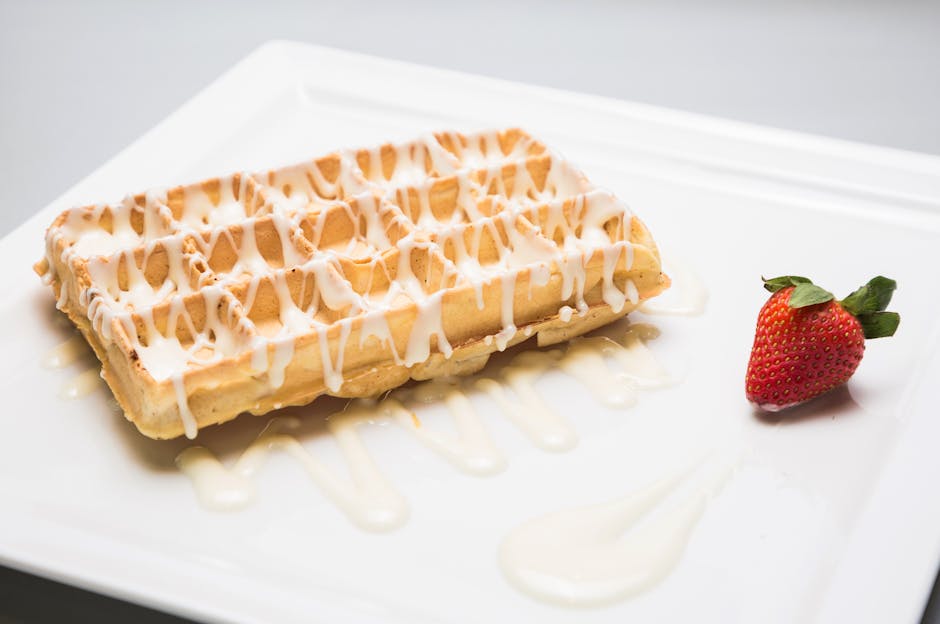
Cassava Flour is a quiet overachiever neutral taste, fine texture, and remarkably versatile. It’s made from the whole root, not just the starch, so it holds together better for things like tortillas and waffles. Grain free and naturally gluten free, it fits most diets without feeling like compromise.
Teff & Sorghum flours are ancient grains making a bold comeback. Teff is tiny, earthy, and great for dark loaves or breakfast porridges. Sorghum has a more neutral taste and adds loft and air to denser bakes. Both bring a nuttiness and integrity that packaged white flour can’t touch.
Banana & Coconut Flours lean sweet, but not sugary. Banana flour is made from green bananas and adds body and subtle fruitiness great in smoothies, muffins, or snack bars. Coconut flour is ultra absorbent, so you’ll need extra liquid in just about any recipe. Together, they build complex flavor in baked goods without the sugar bomb.
Getting It Right: Tips for Baking with Alternative Flours
The big mistake most people make with alternative flours? Assuming they behave like wheat. Truth is, most of them can’t stand alone. Almond flour crumbles without help. Coconut flour drinks up moisture like a sponge. If you’re subbing into a wheat based recipe, you can’t go 1:1 and expect magic. That’s where starches like tapioca or arrowroot and sometimes xanthan or guar gum come in. They help bind, stretch, and hold things together.
Moisture is another dealbreaker. These flours soak, swell, and rest differently. A batter that looks right might bake up dry if you don’t give it time to hydrate. Let your doughs or batters rest sometimes 20 minutes, sometimes more and you’ll get a better texture and a smoother finish.
And here’s a solid pro move: blend your flours. A little almond for richness, chickpea for protein, maybe a dash of cassava for the texture it’s about creating balance. Single flours are often one note or tricky. Combinations, even just two or three, can drastically improve structure, flavor, and overall success. In short: treat it like chemistry, not guesswork.
Beyond Baking: Savory Dishes & New Uses
Alternative flours aren’t just for muffins and pancakes they punch well above their weight in everyday savory cooking. Chickpea and lentil flours, with their dense texture and earthy flavor, create crisp, protein packed batters that stick to veggies without falling apart in the frying pan. Think Indian pakoras or Mediterranean style flatbreads simple, filling, and packed with fiber.
Cassava flour, with its neutral taste and smooth finish, works wonders in grain free dumplings or empanadas. Because it holds together well and mimics wheat’s pliability, it’s become a go to in gluten free kitchens aiming for comfort food without compromise.
Ancient grain flours like teff or sorghum bring complexity to breading. Use them to dredge meats or tofu before pan frying what you get is a flavorful crust that doesn’t rely on processed breadcrumbs or white flour. They also brown nicely, giving you texture without making the dish heavy.
Want to go deeper? These flours pair well with other smart staples, especially fermented ones. Feeding a chickpea pancake alongside a kraut topped veggie bowl isn’t just trendy it boosts gut health naturally. Explore combos that layer taste, function, and nutrition to get the most out of your pantry.
Final Take
Alternative flours aren’t just hype they’re smart tools for anyone who wants more control over how they cook, eat, or nourish others. Whether you’re cutting out gluten, going high protein, or just bored with white flour, these flours open up a broader palette of textures and flavors. Yes, it takes some trial and error. But for those willing to tinker, the returns are big: better nutrition, better variety, and often, better taste.
In 2026, eating with intention means having a pantry that’s flexible, globally inspired, and ready to meet any dietary curveball. Alternative flours check all those boxes. They reflect how our food system is evolving and how home cooks are evolving with it. It’s not about ditching wheat altogether. It’s about having more options. And knowing what to do with them.
 Samuellle Rosantiere is the kind of writer who genuinely cannot publish something without checking it twice. Maybe three times. They came to cooking tips and techniques through years of hands-on work rather than theory, which means the things they writes about — Cooking Tips and Techniques, Delicious Recipe Ideas, Ingredient Spotlights, among other areas — are things they has actually tested, questioned, and revised opinions on more than once.
That shows in the work. Samuellle's pieces tend to go a level deeper than most. Not in a way that becomes unreadable, but in a way that makes you realize you'd been missing something important. They has a habit of finding the detail that everybody else glosses over and making it the center of the story — which sounds simple, but takes a rare combination of curiosity and patience to pull off consistently. The writing never feels rushed. It feels like someone who sat with the subject long enough to actually understand it.
Outside of specific topics, what Samuellle cares about most is whether the reader walks away with something useful. Not impressed. Not entertained. Useful. That's a harder bar to clear than it sounds, and they clears it more often than not — which is why readers tend to remember Samuellle's articles long after they've forgotten the headline.
Samuellle Rosantiere is the kind of writer who genuinely cannot publish something without checking it twice. Maybe three times. They came to cooking tips and techniques through years of hands-on work rather than theory, which means the things they writes about — Cooking Tips and Techniques, Delicious Recipe Ideas, Ingredient Spotlights, among other areas — are things they has actually tested, questioned, and revised opinions on more than once.
That shows in the work. Samuellle's pieces tend to go a level deeper than most. Not in a way that becomes unreadable, but in a way that makes you realize you'd been missing something important. They has a habit of finding the detail that everybody else glosses over and making it the center of the story — which sounds simple, but takes a rare combination of curiosity and patience to pull off consistently. The writing never feels rushed. It feels like someone who sat with the subject long enough to actually understand it.
Outside of specific topics, what Samuellle cares about most is whether the reader walks away with something useful. Not impressed. Not entertained. Useful. That's a harder bar to clear than it sounds, and they clears it more often than not — which is why readers tend to remember Samuellle's articles long after they've forgotten the headline.