Overcrowding the Pan
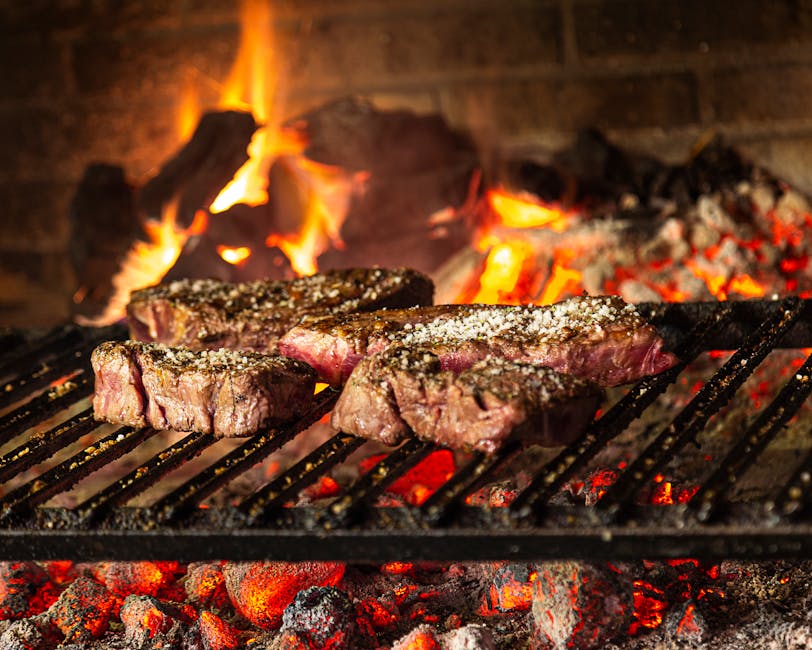
Getting that golden brown crust on your protein? It starts with what you don’t do specifically, don’t crowd the pan.
Why Overcrowding Fails
When you pile in too much food at once, the pan loses heat rapidly. This causes ingredients to steam instead of sear, blocking the formation of that deep, flavorful browning we all want.
Overcrowded pans create moisture buildup
Steaming replaces searing, leading to soggy results
Surface contact with hot metal is reduced
The Science Behind a Hard Sear
A good sear requires high, steady heat something only possible when food has space.
Heat equals browning, and space maintains that heat
Moisture escaping from ingredients needs room to evaporate
Even caramelization needs consistent pan contact
Pro Tip: Cook in Batches
Rather than forcing everything in at once, cook in smaller batches.
Batch cooking lets the pan stay hot
Flavors develop better as the Maillard reaction kicks in
Your dish avoids tasting steamed or bland
For a Deeper Dive
Want to nail the perfect sear every time? Check out our extended guide:
How to Perfectly Sear Meat Every Time
Not Letting Meat Rest
Pulling a steak or roast straight from the grill to the plate might feel satisfying but you’re shortchanging your dinner. Resting meat isn’t a fancy chef trick; it’s basic physics. When meat cooks, its juices get pushed toward the center. If you slice right away, those juices run out onto the board instead of staying where they belong: inside your cut.
Resting lets those juices redistribute. That makes each bite more tender and moist. It’s not just about flavor it’s about getting the texture right. Cut too soon and even a perfectly cooked ribeye can seem dry.
How long should you wait? For small cuts like steaks or chops, 5 10 minutes is enough. Larger roasts need at least 15 20. Brisket or turkey? Let them sit for 30 minutes, tented loosely with foil. The wait might test your patience, but the payoff is obvious the moment you slice in.
Skipping this step is one of the fastest ways to ruin a good cook. Give the meat a minute. Let it settle. It’s worth it.
Misunderstanding Salt
Salt can elevate flavors or completely derail a dish if misused. It’s a foundational ingredient, but using it well isn’t just about quantity; it’s about timing, type, and tasting technique.
When to Salt: Before, During, and After
Each stage of salting plays a different role in flavor development:
Before Cooking: Salting meat or vegetables in advance draws out moisture, enhances flavor at the cellular level, and improves texture. For meats, this also helps with surface browning.
During Cooking: Adding salt while you cook lets flavors develop in layers. This is crucial for dishes like soups, sauces, and stews.
After Cooking: Finishing with a pinch of flaky salt adds texture and gives a final flavor boost. But don’t rely on it to fix underseasoned food.
Choosing the Right Salt
Different salts serve different purposes. Understanding their roles helps avoid both blandness and overcompensation.
Kosher Salt: Ideal for general cooking; easy to control and dissolve.
Table Salt: Fine and compact; more “salty” by volume, so it’s easier to oversalt.
Flaky Sea Salt: Best used as a finishing touch; adds crunch and bursts of salinity.
Tip: If substituting one type of salt for another, always adjust amounts especially going from kosher to table salt.
Taste and Adjust as You Go
Oversalting and undersalting are both common mistakes, but they’re often avoidable:
Undersalting: Add small amounts incrementally and taste throughout the cook. Don’t wait until the end to season.
Oversalting: If you’ve gone too far, try balancing it out with acidic ingredients like lemon juice or vinegar, or add unsalted components like rice, pasta, or plain broth.
Mastering salt isn’t just a taste issue it’s a skill that separates good home cooks from great ones.
Skipping Mise en Place

Cooking without prep is like building furniture without instructions you might pull it off, but it won’t be pretty.
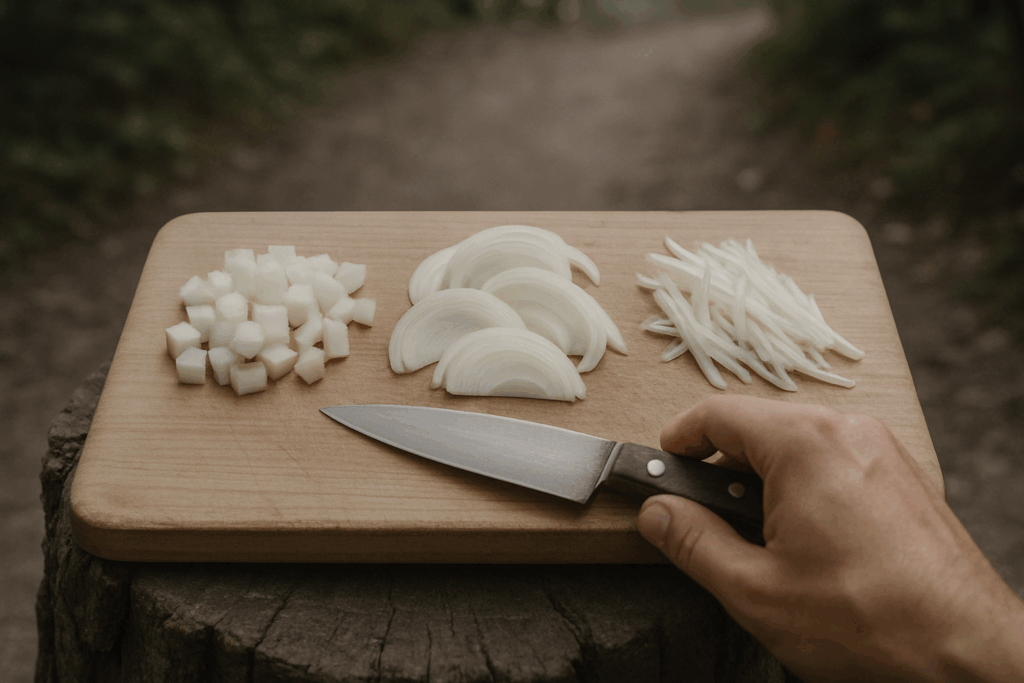
Mise en place (French for “everything in its place”) is the practice of prepping all your ingredients and tools before you start cooking. Chop your onions. Measure your spices. Know where your spatula is. It takes a little time up front, but it saves a lot of panic when the heat is on and the garlic’s about to burn while you’re still searching for the tomatoes.
Professionals rely on mise en place religiously. They set up their station so everything flows from left to right: raw ingredients, workspace, cook zone, plate. Home cooks can borrow this rhythm on a smaller scale. Even five minutes of prep can mean the difference between a smooth meal and a last minute scramble.
A few simple hacks: write out your cooking steps in order. Use little bowls for prepped ingredients. Group pantry items in one spot. Once you get into the habit, your meals get faster, neater, and taste better because you’re cooking, not just reacting.
Using the Wrong Oil
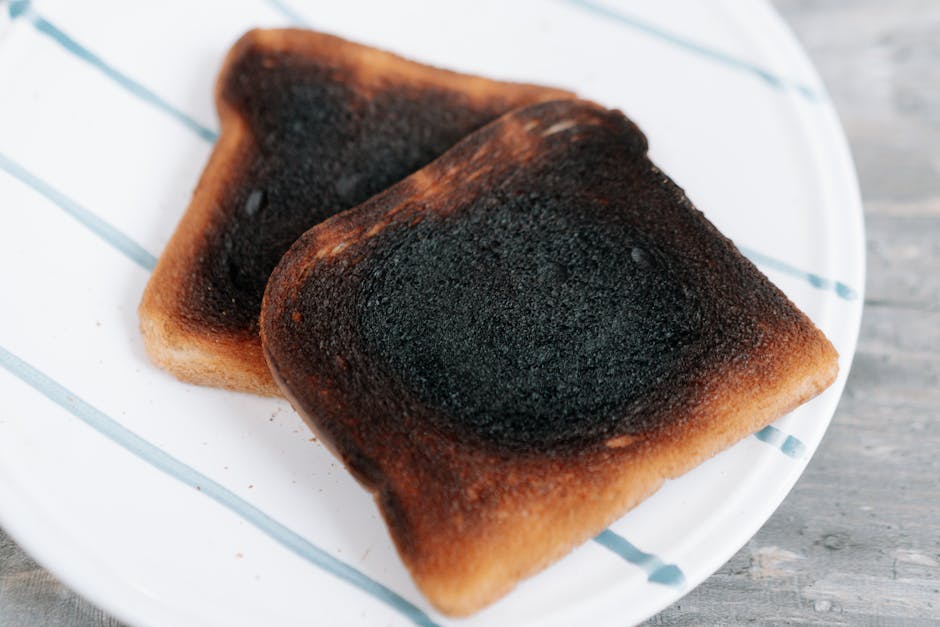
Not all oils are created equal, especially when it comes to heat. Every cooking oil has a “smoke point” the temperature at which it stops shimmering and starts burning. When that happens, two things go wrong fast: your food tastes bitter, and your pan takes a hit.
Olive oil? Great for dressings, sautéing, or finishing dishes. But crank the heat for frying or searing, and it’ll break down before your food browns. You want high smoke point oils for that job avocado oil, peanut oil, canola. These can handle the heat without turning acrid.
Here’s the short version:
Extra virgin olive oil: low heat, flavor booster
Avocado or grapeseed oil: high heat, neutral taste
Butter: medium heat, rich flavor watch closely
Sesame oil: low heat, finish only
Burning oil doesn’t just ruin flavor it adds cleanup and fills your kitchen with smoke. Treat oils like tools, not afterthoughts. Use the right one for the job, and your stove and your taste buds will thank you.
Overcooking Pasta
If your pasta turns to mashed beige slop, you’re not alone. Overcooking pasta is one of the simplest and most common ways to dull what should be a standout dish.
“Al dente” isn’t just a snobby Italian chef’s preference. It’s about control. Pasta that still has a slight bite not only holds its structure but continues to cook after it leaves the water a phenomenon called carryover cooking. Pull it a minute or two early, and you’ll reach perfect doneness by the time it hits the plate.
But timing alone isn’t enough. Finishing pasta in the sauce isn’t optional it’s essential. Tossing hot noodles straight into simmering sauce lets starches release into the pan, binding everything together into a finished dish that tastes whole, not separate. It’s how you turn good into great, and great into unforgettable.
So: pull early, finish together, and don’t just cook pasta build a meal worth remembering.
Baking Without Measuring Properly
If you’re still scooping flour with a coffee mug, it’s time to stop. Baking is chemistry, not improv. Grams beat cups because weight is consistent volume isn’t. A cup of flour can weigh anywhere from 110 to 150 grams depending on how you scoop it. That’s a huge difference when you’re chasing the perfect crumb or crust.
Even with a scale, people slip up. Putting a bowl on the scale, forgetting to tare, and dumping in ingredients? That throws off everything. Also, don’t weigh liquids in dry measuring cups they’re built differently and small errors stack fast. If you’re going to bake, commit to accuracy.
One more thing no one talks about enough: butter. If it’s too cold, it won’t cream properly. Too warm, and it can melt your dough before it hits the oven. Room temperature means soft to the touch but still slightly cool usually 65 to 70°F. Get this wrong, and your cookies spread into pancakes or your cake turns dense. Nail it, and the texture sings.
Cooking Isn’t Guesswork
Even the most creative dishes are grounded in a few unshakable principles: timing, precision, and practice. The difference between a passable weeknight dinner and a memorable, dinner party worthy meal often comes down to mastering the basics.
Timing Transforms Simple Into Exceptional
Cooking ingredients just a minute too long or too short can change the texture, moisture, and flavor entirely.
Knowing when to start and stop and what needs resting afterward elevates your results.
From searing to simmering, each step has a window of perfection.
Tools That Keep You on Track
It’s not just instinct some kitchen essentials do the heavy lifting when it comes to precision:
Use a thermometer: Stop guessing doneness. Whether it’s steak or caramel, temps don’t lie.
Keep a timer handy: Get consistent results and avoid distractions becoming disasters.
Taste as you go: Adjusting seasoning mid recipe is often the difference between bland and bold.
Fundamentals Still Matter Even in 2026
Trends come and go, but technique never goes out of style. From home cooks to professionals, those who master the fundamentals measuring, preheating, timing, and seasoning are the ones who consistently deliver great results.
Respect the basics, and nearly anything is cookable.
Make your tools work for you, not the other way around.
Don’t underestimate the power of doing the simple things right every single time.