Why the Right Lunch Matters
Lunch isn’t just a filler between meetings or classes it’s fuel. The right mix of nutrients at midday can mean the difference between powering through the afternoon or crashing by 2 p.m. It’s not just about calories; it’s about what those calories are made of.
For adults, sustaining focus and energy often comes down to steady blood sugar. Teens, with faster metabolisms and still developing bodies, need a boost that covers both mental sharpness and physical stamina. The answer for both groups? A balanced plate.
Fiber slows digestion and wards off that sluggish post lunch dip. Protein helps rebuild and repair while keeping you full. Healthy fats support brain function and help absorb key nutrients. Then there are slow carbs from sources like whole grains or beans that release energy steadily, not all at once.
Remember: chips and a cookie don’t cut it. Smart choices, made simple, keep everyone moving strong through the second half of the day.
Build Your Own Lunchbox Strategies
Start with a simple formula: protein + grain + veggie or fruit + a treat. That’s your baseline. It’s not fancy, but it works. You get fuel, fiber, and something that makes the rest of the lunch worth looking forward to. Think grilled chicken, farro, roasted carrots, and a square of dark chocolate. Done.
Now, to avoid falling into the bland trap, rotate your proteins (eggs, beans, leftover steak), swap grains (rice, quinoa, couscous), and mix up textures crunch from snap peas, softness from roasted sweet potato. Don’t chase perfection. Just shift one element at a time.
Tiny tweaks also go a long way. Use dips like tzatziki or hummus. Sprinkle a spice blend or drizzle a vinaigrette. Toss in unexpected add ons like pickled onions or roasted nuts. None of it takes much time, but it keeps repetition from turning into boredom.
The goal isn’t complicated meal prep it’s sustainable variety. Stick to the formula, improvise when needed, and know you’re covered even on the busiest mornings.
Tried and True Pairings That Work
You don’t need a culinary degree to pack lunches that hit all the marks just a few solid combos that are balanced, travel well, and won’t bore you by Wednesday. Here are four pairings that check the boxes and hold up to the everyday hustle:
Grilled chicken + quinoa + roasted veggies + dark chocolate
Straightforward fuel. The protein keeps you full, quinoa adds steady energy, and roasted veggies bring flavor and fiber. Dark chocolate? Just enough to feel like a win.
Hummus wrap + cucumber sticks + apple slices + trail mix
Plant based without the prep headache. The wrap travels well, cucumbers stay crisp, and an apple with trail mix gives you crunch and sweetness, without the crash.
Leftover stir fry + brown rice + orange wedges + granola bar
Batch cook dinner, call it lunch. Stir fry heats up fine, brown rice holds texture, and orange wedges reset your palate. A granola bar covers the snack attack later.
Tuna salad in pita + cherry tomatoes + pear + popcorn
Savory, sweet, crunchy no fridge drama. Tuna in pita is satisfying and portable. Tomatoes and pear bring freshness. Popcorn finishes it off with a salty snap.
Keep these combos on repeat or swap components to keep it fresh. They’re simple, balanced, and built for real days not Instagram.
Teen Friendly Twists Adults Will Love Too

When lunch gets boring, nobody wants to eat it. That’s where variety and a bit of visual flair come in.
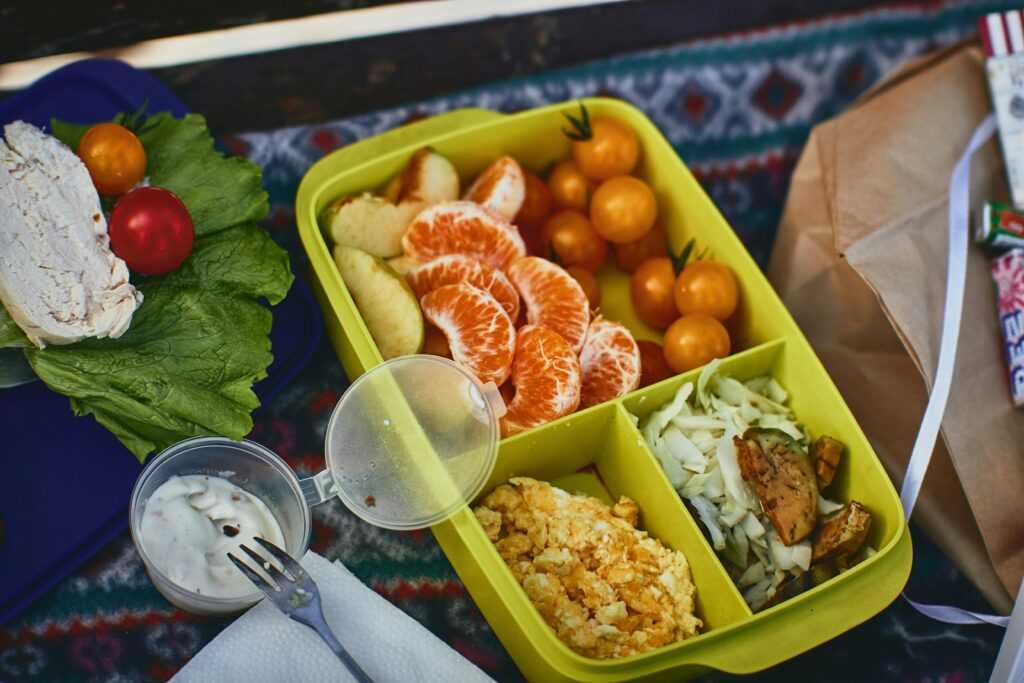
Bento style lunchboxes are the answer to lunch fatigue. Think compartments filled with a mix of colors, textures, and flavors: grilled chicken bites next to edamame, a few strawberries, a handful of whole grain crackers, maybe a deviled egg. It’s practical, eye catching, and surprisingly satisfying. No extra effort needed just a little planning.
Snack kits are another easy win. Grab a sectioned container and fill it with cheese cubes, mixed nuts, olives, and fresh veggie sticks. It’s a no reheat option packed with protein and fiber plus it feels intentional rather than thrown together.
If you want a full meal solution, cold pasta salad with lean protein pulls its weight. Toss whole wheat rotini with grilled turkey, chopped spinach, cherry tomatoes, and a vinaigrette. Done. It’s hearty, holds up well, and feels like more than just a side dish.
And if the goal is lunch that feels like a treat: smoothie packs. Pre bag frozen fruit, greens, and protein powder. Toss it in a blender in the morning, and by midday, you’ve got a slushy that hits the spot. Works for both teens and grown ups, especially on warmer days.
These options are flexible, fast, and far from boring.
Keeping It Fresh (Literally)
There’s zero point in packing a lunch if it ends up soggy, wilted, or warm by noon. Start with foods that hold their texture and flavor over time. Think grain bowls, sturdy sandwiches (on whole grain or sourdough), roasted veggies, hard boiled eggs, chickpea salads, or pasta with vinaigrette instead of mayo based dressings. Avoid lettuce heavy combos or crispy items that need to stay crunchy unless you can store them separately.
When it comes to containers, skip the cheap plastic that leaks or warps. Go for stainless steel, silicone sealed bento boxes, or glass with locking lids. They’re better for the planet and way less likely to ruin your bag. Wraps and dips? Store ‘em in snug mini containers that actually seal. You’ll thank yourself when your hummus doesn’t coat your Tupperware.
Now, onto cold packs. If you’re packing anything with dairy, meat, or eggs and you won’t eat for several hours a cold pack is non negotiable. Tuck it right next to the food. For hot meals (soups, stews, stir frys), a pre warmed thermos does the trick. Not all thermoses are built equal, so test yours at home with boiling water and a timer. If it can’t keep chili warm by noon, it’s time for an upgrade.
Stay Ahead with Smart Planning
Meal prep isn’t just for fitness influencers it’s a practical way to streamline lunch making for busy adults and teens. A few smart steps at the start of the week can save time, reduce stress, and dramatically improve meal variety.
Start with the Basics
Make your foundation strong and reusable:
Batch cook proteins like grilled chicken, tofu, hard boiled eggs, or chickpeas
Chop veggies in advance think carrots, bell peppers, cucumbers, and broccoli
Store in airtight containers to maintain freshness for several days
Mix, Match, and Personalize
Prepping doesn’t mean eating the same lunch every day. Store ingredients separately so they can be reconfigured according to cravings, dietary changes, or time constraints.
Combine different grains (quinoa, rice, couscous) with your proteins
Rotate sauces and dressings for flavor variety
Don’t forget small add ons like nuts, pickles, and sauces for texture and taste
Keep It Flexible
Don’t lock yourself into one plan. Life changes daily so can your lunch.
Adjust based on your or your teen’s schedule and mood
Keep quick swaps handy (e.g., pre packed wraps, single serving hummus, or cheese sticks)
Simplicity makes it easier to stick with long term
Ready to Go Deeper?
Take your meal prep game to the next level with strategic tips on planning, cooking, and storing food efficiently. Check out our full guide.
Final Thoughts on Staying Consistent
A solid lunch routine isn’t about fancy recipes it’s about showing up a little prepared. Taking 30 minutes on Sunday to chop veggies, pre cook a protein, or portion snacks can flatten a whole week of lunch stress. You don’t need to meal prep in mason jars. You just need a system that works more often than it doesn’t.
Want to cut down on tossed out food? Let teens pick their snacks or main dishes for the week. If they help build it, they’re more likely to eat it. Autonomy = less waste.
And don’t let perfect be the enemy of progress. Reusable containers beat disposable, even when you forget them in the car one day. Leftovers are better than skipping lunch or grabbing sugar bombs on the go. Make it breathable. Make it stick.
Doubling your dinner portions is the quiet hack no one talks about. Tonight’s chicken and rice = tomorrow’s lunch, plus time saved. No need to overthink what’s already working.
For more ways to simplify planning, check out these meal prep tips.
 Ask Virgilio Feeleystin how they got into cooking tips and techniques and you'll probably get a longer answer than you expected. The short version: Virgilio started doing it, got genuinely hooked, and at some point realized they had accumulated enough hard-won knowledge that it would be a waste not to share it. So they started writing.
What makes Virgilio worth reading is that they skips the obvious stuff. Nobody needs another surface-level take on Cooking Tips and Techniques, Delicious Recipe Ideas, Culinary Trends and Innovations. What readers actually want is the nuance — the part that only becomes clear after you've made a few mistakes and figured out why. That's the territory Virgilio operates in. The writing is direct, occasionally blunt, and always built around what's actually true rather than what sounds good in an article. They has little patience for filler, which means they's pieces tend to be denser with real information than the average post on the same subject.
Virgilio doesn't write to impress anyone. They writes because they has things to say that they genuinely thinks people should hear. That motivation — basic as it sounds — produces something noticeably different from content written for clicks or word count. Readers pick up on it. The comments on Virgilio's work tend to reflect that.
Ask Virgilio Feeleystin how they got into cooking tips and techniques and you'll probably get a longer answer than you expected. The short version: Virgilio started doing it, got genuinely hooked, and at some point realized they had accumulated enough hard-won knowledge that it would be a waste not to share it. So they started writing.
What makes Virgilio worth reading is that they skips the obvious stuff. Nobody needs another surface-level take on Cooking Tips and Techniques, Delicious Recipe Ideas, Culinary Trends and Innovations. What readers actually want is the nuance — the part that only becomes clear after you've made a few mistakes and figured out why. That's the territory Virgilio operates in. The writing is direct, occasionally blunt, and always built around what's actually true rather than what sounds good in an article. They has little patience for filler, which means they's pieces tend to be denser with real information than the average post on the same subject.
Virgilio doesn't write to impress anyone. They writes because they has things to say that they genuinely thinks people should hear. That motivation — basic as it sounds — produces something noticeably different from content written for clicks or word count. Readers pick up on it. The comments on Virgilio's work tend to reflect that.