Why Cast Iron Is Still a Kitchen Essential in 2026
Cast iron doesn’t come with bells and whistles and that’s exactly the point. It does one thing better than almost anything else in the kitchen: hold heat. Whether you’re searing a steak or crisping potatoes, its unmatched heat retention gives consistent, even cooking without the cold spots that plague lighter pans.
Versatility also plays a big role. Gas, electric, induction, campfire it doesn’t matter. Cast iron works on all of them. That means whether you’re in a city apartment or halfway up a mountain, your cookware shows up ready.
It isn’t disposable either. Take care of it, and cast iron lasts not just years but generations. A little seasoning, a little respect, and your grandkid might end up flipping pancakes in the same skillet you used.
And that seasoning? It makes the pan naturally non stick, no chemicals needed. This isn’t Teflon. This is a slick surface built up over time by actual cooking. It’s low tech, low fuss, and quietly reliable traits we can still count on, even in 2026.
Choosing the Right Cast Iron for Your Kitchen
Picking the right cast iron piece can feel overwhelming, but it doesn’t have to be. Whether you’re shopping for your first skillet or expanding your collection, knowing the differences between pan styles, finishes, and price points will help you make smarter decisions.
Know Your Cast Iron Types
Different pans serve different purposes. Here’s a quick guide to the most popular types:
Skillets: Your everyday workhorse. Perfect for searing, sautéing, baking, and frying. A must have for beginners.
Dutch Ovens: Deep and heavy with a lid, great for braising, soups, stews, and baking bread.
Grill Pans: Feature raised ridges to mimic outdoor grilling best for meats and vegetables with grill marks.
Each type has its own strengths. Start with a skillet to master the basics, then expand as your cooking style evolves.
Pre Seasoned vs. Raw Cast Iron
When you’re buying cast iron, you’ll see two main options:
Pre seasoned: Comes ready to use. It has a layer of polymerized oil baked on by the manufacturer. Ideal for beginners or anyone who wants to skip the seasoning process.
Raw (Unseasoned): Requires initial seasoning at home. Offers full control over how it’s treated but takes a bit more work upfront.
Which should you choose?
Go with pre seasoned if you’re new to cast iron.
Choose raw if you’re particular about the type of oil or seasoning method used.
Brands That Are Worth It in 2026
The market is full of options, but a few names still stand out:
Lodge: A trusted classic affordable, reliable, and made in the USA.
Field Company: Sleek, lightweight skillets for the minimalist cook.
Smithey: Known for polished interiors and heirloom looks.
FINEX: High end cast iron with angular handles and premium finishes.
Do your research, but rest assured: these brands consistently earn praise for performance and durability.
Smart Buys on a Budget
You don’t have to spend a fortune to get a great pan. Look out for:
Estate sales or thrift shop finds: Often, you can rescue vintage pieces with just a deep clean and re season.
Starter skillets from Lodge or Utopia Kitchen: Under $30 and perfect for learning.
Factory seconds: Some brands sell slightly imperfect pans at a steep discount.
Great cast iron doesn’t always mean a big price tag sometimes, the best tools are the ones with character and a little wear.
Mastering Seasoning: Your Non Stick Secret Weapon
Seasoning isn’t a spice mix it’s science. When people talk about a seasoned cast iron pan, what they really mean is one coated in a thin, baked on layer of oil. This layer polymerizes and bonds to the surface, creating a natural, slick coating that improves with use. It’s not just about non stick it’s what keeps cast iron from rusting, too.
Step by step: Seasoning a Cast Iron Pan at Home
- Start Clean: Wash the pan with hot water and a small drop of mild soap (yes, it’s fine for now). Scrub off any food residue or rust.
- Dry Thoroughly: Use a towel and then heat it on the stove or in the oven to evaporate all moisture. No shortcuts here moisture is the enemy.
- Apply Oil Lightly: Rub a thin, even layer of neutral oil (flaxseed, canola, grapeseed) over the entire surface inside, outside, even the handle.
- Buff Excess Off: Wipe the pan with a clean cloth or paper towel until it looks like you wiped too much off. You didn’t.
- Bake It: Place the pan upside down in the oven at 450°F (put foil below to catch drips). Bake for 1 hour. Let it cool in the oven.
How Often Should You Re Season?
Your pan will tell you. If food sticks more than usual or patches look dull and gray, it might be time. Full oven seasoning like the above? Maybe a few times a year. But spot seasoning applying oil and heating just the affected area is often all you need between cook sessions.
Common Mistakes (and Fixes)
Too Much Oil: Sticky surface? You probably over oiled. Strip it back down with steel wool and start fresh.
Skipping the Preheat Dry: If you don’t fully dry the pan, you’ll invite rust fast. Heat it every time after washing.
Uneven Coating: Flecks or splotches happen when oil pools. Apply less and buff better next time.
Rust Return: Minor rust? Scrub with steel wool, rinse, dry, and re season. No panic necessary.
Good seasoning doesn’t happen overnight. It builds over time through cooking, cleaning smart, and understanding your pan. Keep it up, and cast iron will take care of you for life.
Cooking Techniques That Shine in Cast Iron
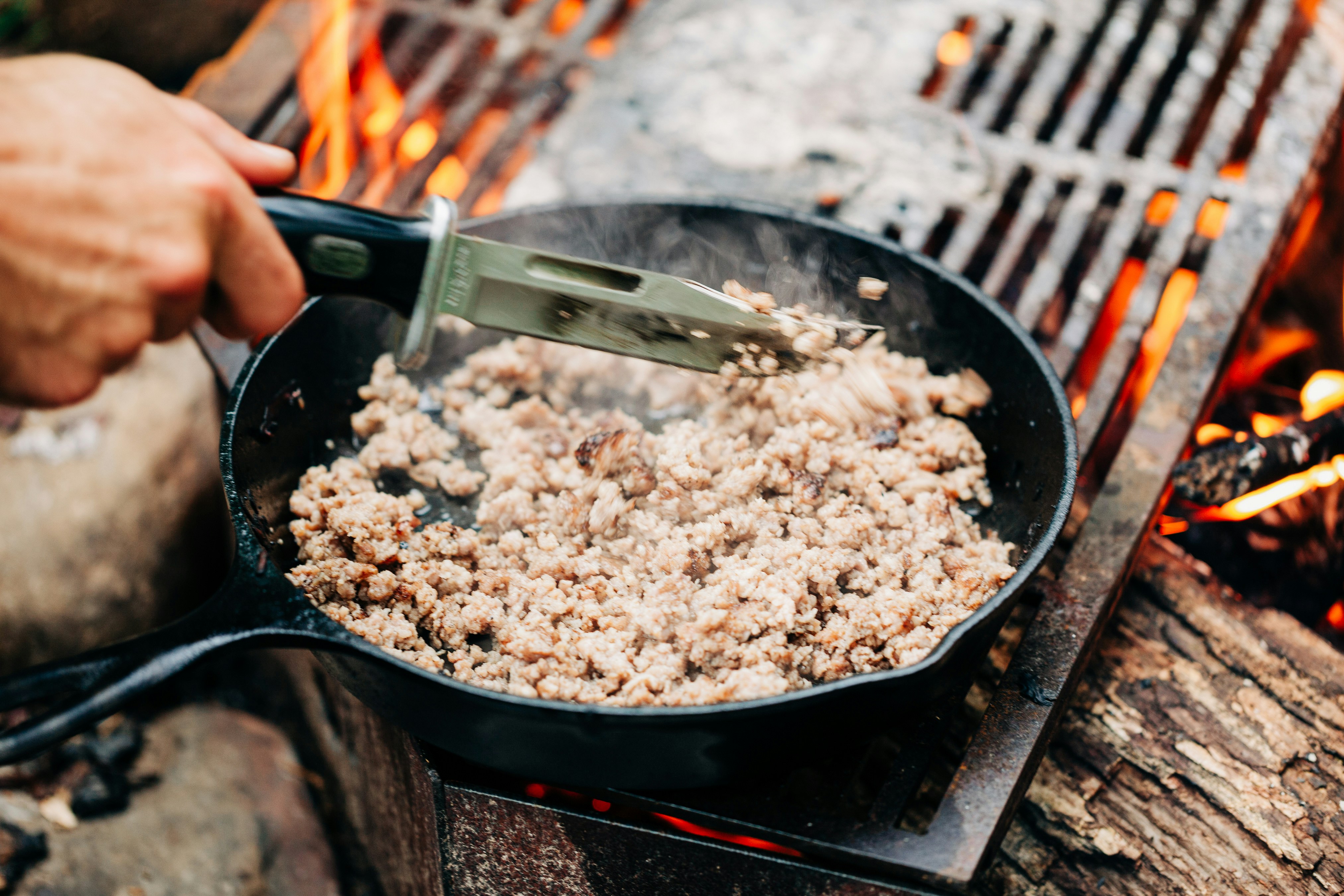
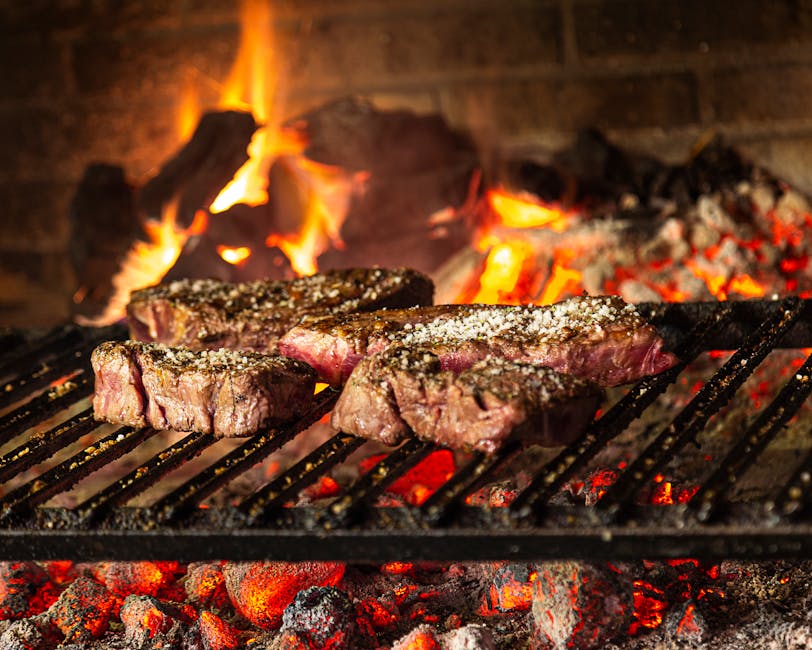
Cast iron has earned its reputation by doing a few things exceptionally well like putting the perfect sear on a steak or crisping up potatoes until they’re golden and addictive. The secret lies in its heat retention. Unlike thin pans that lose heat the second food hits them, cast iron holds steady, making it ideal for high heat jobs where caramelization, browning, and crisp edges are the goal.
Beyond searing, it’s shockingly versatile. You can shallow fry schnitzel, deep fry doughnuts, or bake a beautiful crusty loaf of sourdough all in the same pan. It transitions smoothly into the oven, turning from stovetop workhorse into a powerful baking or roasting vessel. One pan meals? Cast iron doesn’t just manage them it excels. Cook your proteins and starches, add veggies, then slide the whole thing into the oven for a dish that goes straight to the table with zero fuss.
That said, cast iron isn’t the only game in town. Sous vide has its place especially for precision. But finishing a sous vide steak in a cast iron skillet? That’s where the magic happens. You get precision cook through from sous vide, and then lock in texture and flavor with a cast iron sear. Hybrid methods like this let you have your cake and eat it too. Check out this detailed breakdown if you’re new to combining methods: Sous Vide Cooking for Beginners What You Need to Know.
Cleaning and Maintenance Without the Myths
Proper maintenance is the secret to unlocking a lifetime of cast iron performance. Let’s break down common myths and focus on what actually works when it comes to cleaning, drying, storing, and restoring your cast iron cookware.
Soap or No Soap? (Yes, With Rules)
One of the most debated cast iron topics: Can you use soap? The answer is yes but with a few guidelines:
Use mild dish soap and avoid harsh degreasers or scrubbing agents.
Skip abrasive sponges opt for a soft brush or chainmail scrubbers.
Don’t soak your pan. Wash it while it’s still warm (not hot) to make cleaning easy.
Rinse and dry immediately to avoid water damage.
Soap won’t ruin your seasoning if used sparingly. In fact, when used correctly, it won’t impact it at all.
How to Dry and Oil Your Cookware After Cleaning
Post wash care is key to preserving seasoning and preventing rust.
Drying Instructions:
Wipe the pan dry immediately with a clean towel.
If possible, place it over low heat for 1 2 minutes to evaporate any moisture.
Oiling Steps:
While the pan is still warm (not hot), add a thin layer of neutral oil (like flaxseed, canola, or grapeseed).
Use a paper towel to wipe off excess there should be no sticky or greasy residue left.
Pro tip: The oiling step isn’t just about protection it lightly seasons the pan every time.
Storing Properly to Avoid Rust and Sticky Surfaces
Cast iron storage matters more than most people think. Even outside of daily use, poor storage can cause rust or degrade your seasoning.
Store in a dry, ventilated place.
Avoid stacking directly with other cookware use paper towels between pans if needed.
Leave the lid slightly ajar on Dutch ovens to prevent trapped moisture.
If you store cast iron in a cabinet, make sure it’s not sealed off from air circulation.
How to Rescue Rusty or Neglected Cast Iron
It’s never too late to bring old cast iron back to life. Whether you’ve inherited a rusted skillet or neglected yours for a while, here’s how to fix it:
Scrub away rust with steel wool or a stiff brush.
Wash with mild soap and rinse well.
Dry completely no shortcuts.
Apply a thin layer of oil, then bake upside down at 450°F (232°C) for 1 hour to re season.
Repeat seasoning cycles (2 3 times) for heavily damaged cookware.
Restoration takes effort, but most cast iron pieces are incredibly resilient.
Consistent care beats intensive rehab. A small maintenance routine after each use can save you hours of re seasoning and protect your cookware for decades.
Cast Iron in a Modern Kitchen: 2026 and Beyond
Cast iron may be centuries old, but it fits surprisingly well into a high tech kitchen. Induction ranges work flawlessly with cast iron’s ferrous base, delivering even, direct heat. Smart thermometers pair great too, bridging the gap between old school flavor and precision cooking. You can nail exact internal temps without cutting into your ribeye mid sear. The tech might be new, but the principles stay the same: steady heat, solid tools, and control.
Beyond performance, cast iron remains a no nonsense answer to modern sustainability. One skillet can last a lifetime or several. No synthetic coatings to peel, no landfill bound scrap when it ages. Season it well, care for it simply, and you’re reducing waste without trading off durability or results.
And cast iron isn’t going anywhere. Online communities are thriving with recipes tailored for everything from classic pan pizza to miso roasted veggies. TikTok chefs and YouTube cooks are building loyal followings around one pan meals, sourdough experiments, and forgotten Depression era recipes made modern. In 2026, cast iron isn’t a relic. It’s a reliable ally especially for cooks who don’t mind getting their hands a little dirty.
Quick Tips from the Pros
Cast iron isn’t a race it’s a ritual. If you go blasting heat into a cold pan, expect warping, uneven cooking, and a nightmare cleanup. Heat it slowly. Let it warm up steady and even. Patience matters here more than power.
Once it’s preheated, then and only then add oil. Cold oil in a cold pan just sits there. Hot oil glides, coats, and helps lock in that perfect sear you’re chasing.
Every pan is different. Some run hotter in the center, others toast toward the edges. Spend time with yours. Use it enough, and you’ll know where the sweet spots are without thinking.
Bottom line: cast iron rewards time, attention, and a calm hand. It’s not fast food it’s about building flavor, one slow step at a time.
 There is a specific skill involved in explaining something clearly — one that is completely separate from actually knowing the subject. Zyvaris Zorthane has both. They has spent years working with seasonal and festive recipes in a hands-on capacity, and an equal amount of time figuring out how to translate that experience into writing that people with different backgrounds can actually absorb and use.
Zyvaris tends to approach complex subjects — Seasonal and Festive Recipes, Healthy Meal Prep, Culinary Trends and Innovations being good examples — by starting with what the reader already knows, then building outward from there rather than dropping them in the deep end. It sounds like a small thing. In practice it makes a significant difference in whether someone finishes the article or abandons it halfway through. They is also good at knowing when to stop — a surprisingly underrated skill. Some writers bury useful information under so many caveats and qualifications that the point disappears. Zyvaris knows where the point is and gets there without too many detours.
The practical effect of all this is that people who read Zyvaris's work tend to come away actually capable of doing something with it. Not just vaguely informed — actually capable. For a writer working in seasonal and festive recipes, that is probably the best possible outcome, and it's the standard Zyvaris holds they's own work to.
There is a specific skill involved in explaining something clearly — one that is completely separate from actually knowing the subject. Zyvaris Zorthane has both. They has spent years working with seasonal and festive recipes in a hands-on capacity, and an equal amount of time figuring out how to translate that experience into writing that people with different backgrounds can actually absorb and use.
Zyvaris tends to approach complex subjects — Seasonal and Festive Recipes, Healthy Meal Prep, Culinary Trends and Innovations being good examples — by starting with what the reader already knows, then building outward from there rather than dropping them in the deep end. It sounds like a small thing. In practice it makes a significant difference in whether someone finishes the article or abandons it halfway through. They is also good at knowing when to stop — a surprisingly underrated skill. Some writers bury useful information under so many caveats and qualifications that the point disappears. Zyvaris knows where the point is and gets there without too many detours.
The practical effect of all this is that people who read Zyvaris's work tend to come away actually capable of doing something with it. Not just vaguely informed — actually capable. For a writer working in seasonal and festive recipes, that is probably the best possible outcome, and it's the standard Zyvaris holds they's own work to.