Classics That Always Hit Home
Some recipes manage to survive every food trend and wellness craze for a reason. They carry the weight of memory, and their ingredients are as much about feeling as they are about flavor. These bakes don’t need reinvention they need care. Get them right, and people pause mid bite, staring back at a kitchen from twenty years ago.
What makes the classics stick? Texture that feels familiar. Flavors that signal holidays without a single word. And most of all, a sense of rhythm: the same tools, the same smells, the same stories passed down through mixing bowls. You want to get the texture right soft and chewy for gingerbread, moist but sturdy for a cranberry loaf, crumbly and rich for shortbread. That means watching your moisture levels, not skipping chill times, and using room temp ingredients unless the recipe says otherwise.
From a legacy point of view, it’s these bakes that always make the short list:
Molasses gingerbread cookies Dark, spiced, and chewy. Whether cut into stars or trees, they always land on a plate with purpose.
Spiced cranberry loaf A staple for gift swaps and snowy mornings. It leans tart, with enough spice to warm the kitchen.
Buttery shortbread with vanilla bean Nothing loud here. Just clean, rich comfort with those telltale flecks of vanilla running through each bite.
You don’t have to dress them up. You just have to do them well. That’s what makes them last.
Small Twists on Old Favorites
Holiday baking lives in the details. Sometimes, all it takes is a small change to turn familiar into unforgettable. Think orange zest in your shortbread dough or swapping plain sugar for turbinado on top of a spiced loaf. These tweaks don’t overcomplicate things they elevate what already works.
For those baking around dietary needs, ingredient swaps have come a long way. Almond flour gives a rich texture, dairy free butters have better flavor now, and aquafaba can stand in for eggs without turning your cookies into science experiments. The trick is not to chase novelty for its own sake, but to keep flavor and structure intact.
Then there are the quiet add ins the ones people can’t quite put their finger on, but suddenly they’re asking for the recipe. Toasted hazelnuts in cranberry cake, a spoonful of cardamom in gingerbread, or a dash of smoked salt on top of chocolate bark. Artisan spices and finishing touches pull their weight with minimal effort. It’s these details that make people remember your baking long after the holidays end.
Bakes That Bring People Together
The winter holidays aren’t just about sugar and spice they’re about connection. Easy to share bakes turn simple ingredients into something that can pass from hand to hand, from home to home. Think cinnamon star bread, its twisted layers pulling apart perfectly during a coffee catch up or morning around the fire. Chocolate dipped peppermint biscotti? Packable, giftable, and great for dunking during a long chat. Rugelach done three ways maybe a classic apricot walnut, a rich dark chocolate swirl, and a cranberry orange lets people pick their favorite or try all three.
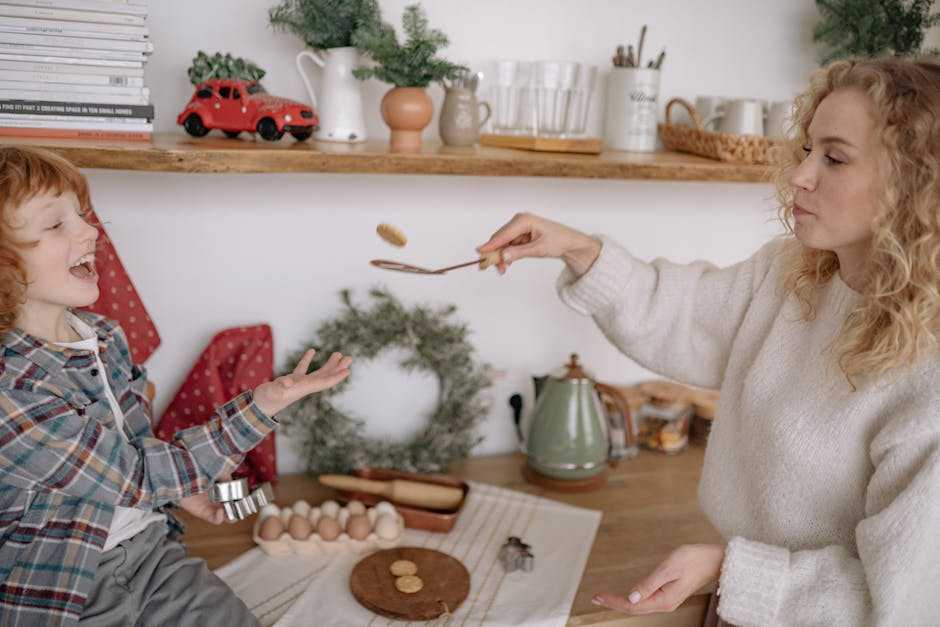
These recipes thrive on company. Got kids at home? Let them press dough, sprinkle sugar, or swirl fillings. Invite a neighbor to shape loaves or try their hand at decorating. Turn baking into a gathering instead of a solo project, and you’ll build more than trays of cookies you’ll build memories that tend to last a while.
Sharing these kinds of treats makes the season feel generous. They don’t have to be fancy, just thoughtful and made with the intention to give or welcome. Whether you’re wrapping them up for friends or setting them out for guests, these bakes hit the mark every time.
Make Ahead Recipes for Sanity and Flavor
The best bakers know that preparing in advance isn’t just smart it’s the only way to actually enjoy the holidays. Plenty of doughs and batters freeze like champs. Think classic sugar cookies, scones, slice and bake shortbread, and even muffin batter. Shape or portion them first, freeze flat, and you’re halfway to fresh baked with zero stress.
Next up: bake now, glaze later. Bundt cakes, sweet breads, and even biscotti love this strategy. You bake, cool, wrap, and freeze. Come party time, just glaze, drizzle, dust, or dip. Everything looks and tastes like you just pulled it from the oven.
To stay sane, plot your baking week like a battle plan. Block prep time early in the week mix doughs Monday, shape Tuesday, bake Wednesday. Leave decoration and packaging for the end. A shared calendar (even just scribbled on paper) helps if others are pitching in. You don’t need a dozen different recipes you need a few solid ones that stretch and stack. Less rush, more joy.
Where Sweet Meets Snack worthy
There’s a sweet spot literally where baked goods double as both breakfast and mid day fuel. Think rosemary cured ham scones, cheddar cranberry muffins, or even a soft, not too sweet pumpkin loaf that walks the line between cozy indulgence and practical snack. These aren’t just desserts dressed up in holiday wrapping they’re substantial enough to pair with a cup of coffee, or hold their own at a holiday open house table.
The trick is balancing sweet and savory without going overboard. Try folding in herbs like thyme or sage, using sharp cheeses for depth, and dried fruits for contrast. A well placed fig or sliver of prosciutto can turn a basic bake into something you’d happily eat on a chilly morning or serve to guests as a festive bite.
Need more ideas to stack your table with dual purpose magic? Check out these festive snack ideas that blur the lines between treat and nibble.
Simple Presentation Tricks that Impress
Baking gets all the love, but how you present it seals the deal. You don’t need fancy boxes or custom labels to stand out. A square of parchment paper, some natural twine, maybe a sprig of rosemary it’s minimal, memorable, and costs next to nothing. For gifts, reusable tins or small glass jars add charm without clutter. They’re sustainable, sturdy, and make your bakes feel like real keepsakes.
When it comes to arranging, less is more. Use solid colored platters or wooden boards to keep the focus on the goods. Group by color or shape to give it structure rows of snow dusted cookies or stacks of biscotti look more intentional than scattered chaos. And skip fiddly garnishes unless they actually add something.
A final move that makes your bakes pop? Sauce and topping pairings. A drizzle of orange glaze over gingerbread, a ramekin of cinnamon honey butter next to that cranberry loaf, or crushed pistachios on shortbread they’re simple adds that boost flavor and look pro with no extra baking. Build your tray, tie the twine, and you’re done. No fluff, all flavor.
Keeping Tradition Alive (and Delicious)
Family recipes are a kind of inheritance delicious, imperfect, passed from one set of hands to the next. But if they stay locked in someone’s memory (or on a stained index card only Grandma can read), they risk vanishing. Document them. Ask questions. Snap photos. Translate scribbles. Then update what needs updating. Sometimes it’s as simple as writing out the full instructions. Sometimes it’s dialing back the sugar, switching flours, or subbing for allergies without losing the soul of the dish.
Once you have them down, there are better ways to share than just emailing Word docs. Design a printable that looks good enough to pass down. Film a short walkthrough for the visual learners in your circle. Drop a link to a one page guide in the group text. Legacy doesn’t have to be complicated but it should be accessible.
If you’re hosting a gathering, set up a simple table or basket where guests can take a recipe and leave one in return. Don’t stop at food people can share stories, traditions, or even pre packed snack bags. Keep it light, keep it fun. And if you need extra ideas, don’t miss these quick festive snack ideas to pad out dessert tables or share with guests. Just like the best recipes, great memories get passed around.
 Founder & Culinary Visionary