I’ve fried more chicken than I care to admit while figuring out what actually works.
You want crispy skin that stays crispy. Juicy meat that doesn’t dry out. Flavor that goes deeper than the coating.
Most fried chicken fails in one of three ways: the coating gets soggy, the meat turns into cardboard, or it just tastes bland no matter how much seasoning you throw at it.
I tested this recipe over and over until I got it right every time. Not just once when everything magically aligned. Every single time.
This guide walks you through each step that matters. I’ll show you why your chicken gets soggy (and how to fix it), how to keep the meat juicy while the skin crisps up, and where to add flavor so it actually sticks.
The techniques here come from real testing. I made every mistake so you don’t have to.
By the time you finish reading, you’ll know exactly how to make fried chicken that’s crispy on the outside and juicy inside. No guessing. No crossing your fingers.
Just chicken that turns out right.
The Foundation: Prepping the Chicken for Maximum Flavor
Let me tell you something about fried chicken that most recipes won’t admit.
The actual frying? That’s the easy part.
What happens before the chicken hits the oil is what separates soggy disappointment from the kind of chicken people ask you to make again and again.
Some folks say boneless chicken is just as good. It’s faster to cook and easier to eat. Sure, I get the appeal.
But here’s what they’re missing.
Bone-in, skin-on pieces give you something boneless never will. The bones conduct heat from the inside while the skin crisps up on the outside. You end up with meat that stays moist even if you accidentally cook it a minute too long (and we’ve all been there).
I always go for thighs, drumsticks, or wings. They have more fat than breasts, which means more flavor and less chance of drying out.
Now here’s the part that changes everything.
Brining.
Not marinating. Not seasoning. Brining.
I know it sounds like extra work. But this is what makes chicken tender enough to pull apart with a fork while staying juicy inside. The buttermilk breaks down those tough muscle proteins so every bite melts in your mouth instead of fighting back.
Here’s what you need:
- 4 cups buttermilk
- 1/4 cup salt
- 2 tbsp sugar
- Hot sauce if you want some heat (I usually add a few shakes)
Mix it all together. Drop your chicken in. Cover it and stick it in the fridge.
At least 4 hours. But overnight is better.
The longer it sits, the more the brine works its way through the meat. You’ll taste the difference in every layer, not just on the surface.
This is what the frying infoguide fhthrecipe is built on. Get this step right and everything else falls into place.
Building the Perfect Crust: The Science of the Dredge
You want that crust that shatters when you bite into it.
The kind that stays crispy even after it sits for a few minutes. The texture that makes people ask what you did differently.
I’m going to be honest with you. I used to think one quick dredge was enough. Just toss the chicken in flour and call it done.
I was wrong.
The double dredge method is what separates okay fried chicken from the stuff people remember. You coat the chicken in your flour mixture first. Then dip it back into the brine. Then hit it with flour again.
That second pass? That’s where the magic happens. The wet brine clumps up with the flour and creates these craggy ridges that fry up incredibly crispy.
Now here’s where I need to level with you. The exact ratio of ingredients is still debated. Some cooks swear by equal parts flour and cornstarch. Others say that makes it too delicate.
What I know works is this.
All-purpose flour forms your base. It gives structure and holds everything together.
Cornstarch makes the crust lighter and crispier. The science here is pretty clear. Cornstarch absorbs less oil than flour and creates a thinner coating that crisps up faster.
Baking powder is your secret weapon. It creates tiny air bubbles when it hits hot oil. More surface area means more crunch. (This is the frying infoguide fhthrecipe technique that changed everything for me.)
For spices, I go heavy. Smoked paprika adds color and a subtle smokiness. Garlic powder and onion powder bring savory depth. Black pepper for warmth. Cayenne for just enough heat to keep things interesting.
Season that flour like you mean it.
Mastering the Fry: Temperature, Oil, and Technique
Let me clear something up right away.
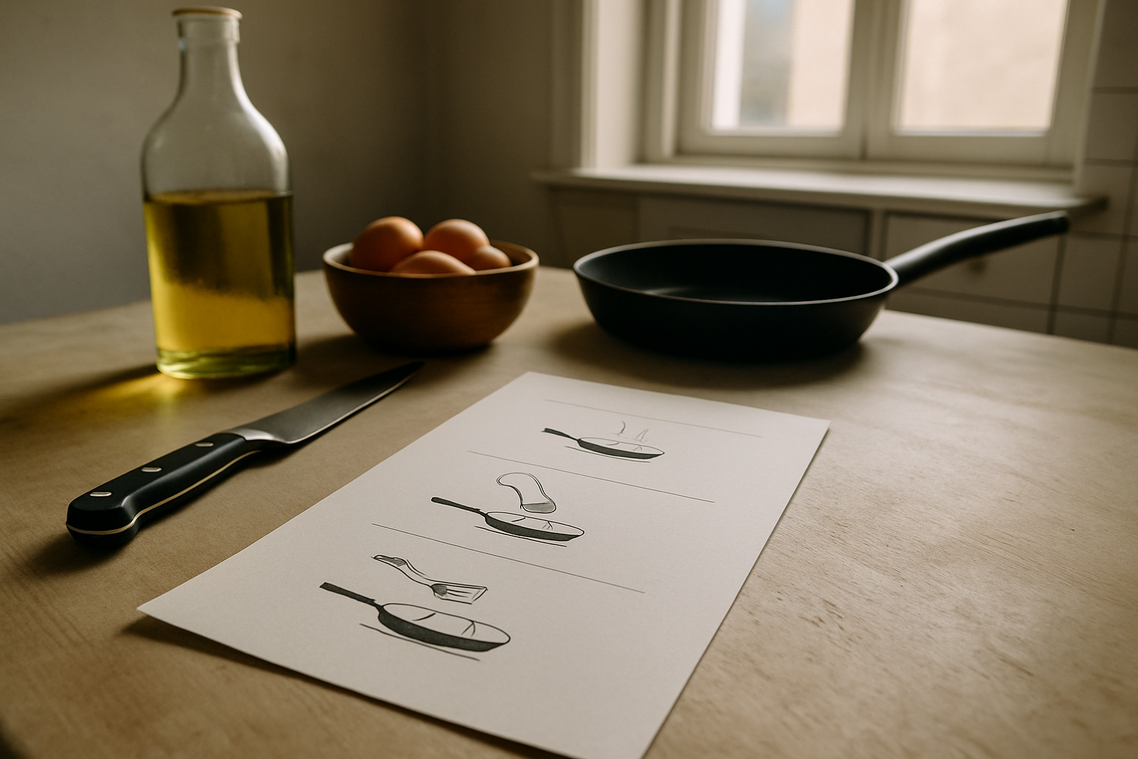
Frying chicken isn’t just about dunking it in hot oil and hoping for the best. There’s a reason some batches come out perfect while others turn into greasy disasters.
It starts with your oil.
You need something that can handle serious heat without breaking down. I’m talking about oils with a high smoke point. That’s the temperature where oil starts to burn and taste bitter.
Peanut oil is my go-to. Canola works great too. Vegetable oil gets the job done if that’s what you have.
But olive oil? Skip it. The smoke point is too low and you’ll end up with burnt-tasting chicken before the inside even cooks through.
Now here’s where most people mess up.
Temperature control.
Your oil needs to sit between 325°F and 350°F. Not hotter. Not cooler. Right in that sweet spot.
Get yourself a deep-fry thermometer or a candy thermometer. Guessing doesn’t work here (trust me, I learned this the hard way).
When your oil runs too hot, the outside burns while the inside stays raw. You get this dark crust that looks done but bite into it and you’re chewing on pink meat.
Too cold? The chicken just sits there soaking up oil like a sponge. You end up with something soggy and heavy that nobody wants to eat.
Here’s how I do it:
Grab a heavy-bottomed pot or Dutch oven. These hold heat better than thin pans.
Don’t crowd the pan. I know you want to cook everything at once but that drops the oil temperature fast. Fry in batches instead.
Place each piece skin-side down first. This gives you that crispy exterior everyone fights over.
Cook for about 6 to 8 minutes per side. But here’s the thing. Time is just a guide.
The real test? Internal temperature of 165°F. Stick your thermometer into the thickest part of the meat. When it hits that number, you’re done.
This is what I cover in my frying infoguide fhthrecipe. Getting these basics right makes everything else easier.
And if you’re watching your kitchen budget fhthrecipe, knowing how to reuse and strain your oil properly means you’re not buying fresh oil every time you want fried chicken.
The Crucial Final Steps: Draining and Resting
You just pulled your chicken from the oil and it looks perfect.
Golden. Crispy. Ready to eat.
So you grab a plate lined with paper towels like everyone says to do.
Here’s the problem with that.
Paper towels trap steam underneath your chicken. All that moisture you just cooked off? It comes right back and turns your crust soggy.
I know some people swear by the paper towel method. They say it soaks up excess oil and that’s what matters most.
But think about what’s actually happening. Yes, you’re absorbing some oil. But you’re also creating a steam bath that destroys the texture you spent all that time building.
Use a Wire Rack Instead
Set your fried chicken on a wire rack the second it comes out of the oil. Air moves around every side and keeps the bottom just as crisp as the top.
(This is the same reason bakeries cool cookies on racks instead of plates.)
While the chicken is still hot, hit it with a light sprinkle of fine sea salt or your spice blend. The oil on the surface helps everything stick. You can find more tips in our fhthrecipe healthy snack guide from fromhungertohope for other ways to season smartly.
Now comes the hard part.
Wait.
Let your chicken rest for 5 to 10 minutes before you serve it. The juices inside need time to settle back into the meat. Cut too soon and they run out onto your plate instead of staying where they belong.
I use this time to finish sides or set the table. Makes the wait easier when your hands are busy.
Pairings and Serving Suggestions
You want to know what I really think about fried chicken sides?
Most people play it safe. Mashed potatoes. Coleslaw. Biscuits. Corn on the cob.
And honestly? There’s nothing wrong with that. These classics exist for a reason. They work.
But here’s where I stand.
If you’re going through the trouble of frying chicken, why not have some fun with what goes next to it?
I drizzle hot honey over mine. The sweet heat cuts through all that crispy fat in a way that makes sense. Or I’ll serve it over waffles (yes, I’m that person) because the maple syrup and savory crunch just hit different.
Some nights I whip up a spicy aioli for dipping. Takes two minutes and suddenly your chicken feels like something you’d order at a restaurant.
Check out the frying infoguide fhthrecipe if you want more pairing ideas that actually make your meal better.
Look, stick with the classics if that’s your thing. But don’t be afraid to try something new either.
You’ve Mastered Restaurant-Quality Fried Chicken
You now have the complete blueprint for making fried chicken that actually delivers.
No more soggy coating that slides off. No more bland bites that leave you wondering why you bothered. No more cutting into a piece only to find it’s still raw in the middle.
Those days are done.
The secret isn’t complicated. It comes down to three things: a brine that adds flavor deep into the meat, a double dredge that creates that perfect crunchy shell, and keeping your oil at the right temperature while you fry.
Master those and you’re golden (literally).
Now it’s your turn to cook.
Get your chicken brining. Set up your dredging station. Heat that oil to 350°F and keep it there. Follow these steps and you’ll serve up fried chicken that makes people ask for seconds.
For more techniques and recipes that actually work, check out our frying infoguide fhthrecipe.
Your kitchen is waiting. Time to make the best fried chicken you’ve ever tasted. Homepage.