I know what you’re thinking when you see another healthy recipe guide.
You’re wondering if the food will actually taste good. Or if you’ll need to buy ingredients you can’t pronounce. Or if the recipes will take two hours when you’ve got twenty minutes.
I’ve been there. I wanted to eat better but kept hitting the same wall: healthy recipes that either tasted like cardboard or required a culinary degree to pull off.
That’s why I created this guide.
Every recipe here tastes good first. The nutrition is a bonus, not the main event. I use real ingredients you can find at any grocery store and techniques that work in a regular kitchen.
At FHTH Recipe, we test everything multiple times. We adjust until the flavors are right and the steps make sense. No complicated methods or hard-to-find ingredients that sit in your pantry forever.
You’ll find breakfast ideas that don’t feel like a chore, lunches that keep you full, and dinners that make you forget you’re eating healthy.
Each recipe includes full nutrition information so you know exactly what you’re getting.
No tricks. No substitutions that ruin the taste. Just food that happens to be good for you.
Our Philosophy: Flavor-First Healthy Eating
I’m going to be honest with you.
Most healthy eating advice is garbage.
Not because it’s wrong about nutrition. But because it strips away the one thing that makes food worth eating in the first place.
Flavor.
I’ve watched people force down bland chicken and steamed broccoli for weeks, thinking that’s what “healthy” means. Then they crack and order pizza because who can live like that?
Here’s my take. If your food doesn’t taste good, you won’t stick with it. Period.
Some nutritionists will tell you that you need to retrain your palate. That eventually you’ll learn to love plain food. That wanting flavor is just your body craving unhealthy things.
That’s nonsense.
Your body WANTS flavor. It’s how we know food is nourishing us. The problem isn’t wanting taste. It’s thinking you need processed junk to get it.
At fhthrecipe, I build every recipe around one simple rule. Flavor comes first.
I use fresh herbs that actually smell like something. Spices that wake up your taste buds. Citrus that brightens everything it touches. Quality proteins that don’t need to hide under sauces.
You don’t need excess salt or sugar when you know how to layer flavors properly.
And cooking techniques? They change everything. Roasting caramelizes vegetables until they’re sweet. Searing creates that crust everyone loves. Even steaming (yes, steaming) can keep ingredients tasting fresh instead of mushy.
This isn’t about restriction. It’s about eating food that actually satisfies you.
Energizing Breakfast: Berry & Almond Overnight Oats
I make this every Sunday night.
By Monday morning, I’ve got five breakfasts ready to go. No thinking required before my first coffee (which is when I’m basically useless anyway).
Here’s why this works so well.
The oats soak up all the liquid overnight and turn into this creamy, almost pudding-like texture. The chia seeds add thickness and keep you full for hours. And the berries? They break down just enough to create natural sweetness without turning into mush.
Some people say overnight oats are bland or boring. They claim hot oatmeal is the only way to go.
But that’s because they’re doing it wrong. When you layer in Greek yogurt and almonds, you get protein and crunch that regular oatmeal can’t match. Plus, you’re not standing over a stove at 6 AM when you’d rather be sleeping.
Here’s what you need:
Start with half a cup of rolled oats in a mason jar or container. Add half a cup of almond milk (or whatever milk you prefer). Toss in a tablespoon of chia seeds and mix it around.
Next, spoon in a quarter cup of Greek yogurt. This is where the protein comes from, so don’t skip it.
Top with a handful of mixed berries. I use frozen because they’re cheaper and last longer in my kitchen budget fhthrecipe planning.
Drizzle a teaspoon of maple syrup over everything. Seal the container and shake it gently to combine.
Stick it in the fridge overnight.
In the morning, give it a stir and add sliced almonds on top. That’s it.
What you’re getting per serving:
Around 320 calories with 12 grams of protein and 9 grams of fiber. You’re also pulling in healthy fats from the almonds and chia seeds.
The fiber keeps your digestion moving (trust me on this). The protein keeps you from raiding the snack drawer by 10 AM.
I’ve been using food infoguide fhthrecipe to track my morning meals, and this one consistently hits the mark for balanced nutrition without feeling heavy.
Pro tip: Make three or four jars at once. They’ll keep in the fridge for up to five days, which means you’re set for the work week.
Quick & Vibrant Lunch: Mediterranean Quinoa Salad
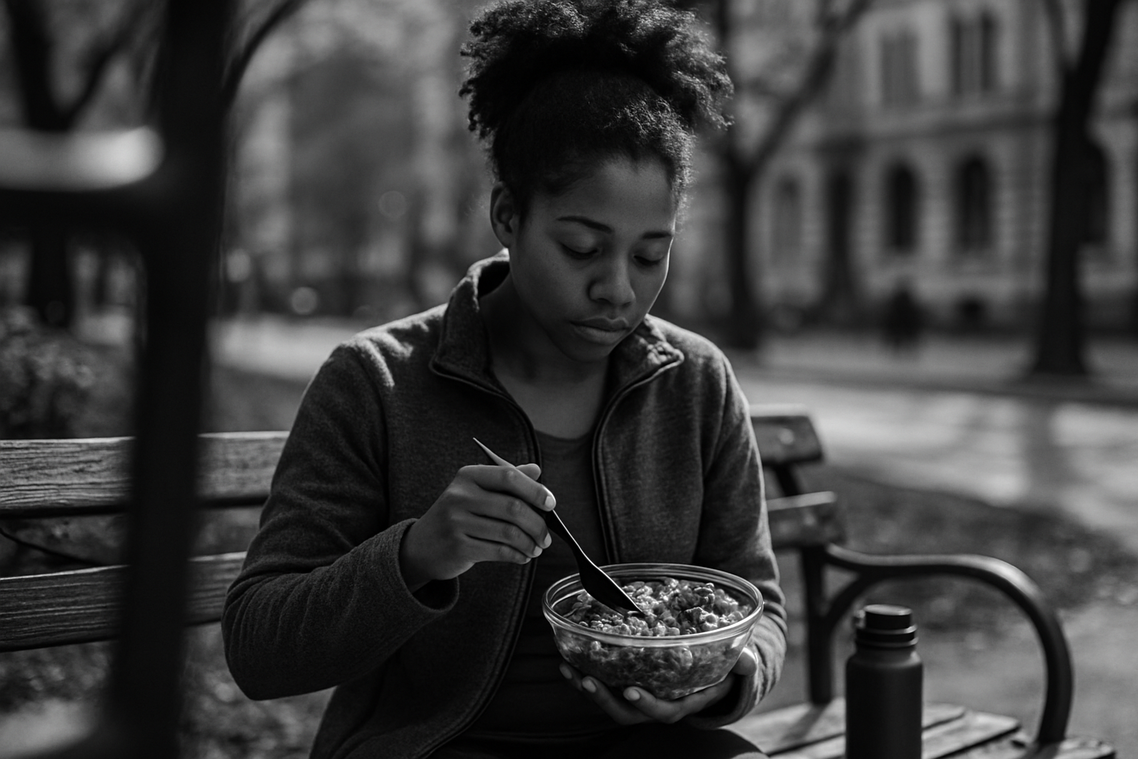
You need lunch that actually works.
Something you can throw together on Sunday and eat all week without getting bored. Something that doesn’t leave you hungry an hour later or make you feel like you need a nap.
This Mediterranean quinoa salad does exactly that.
I make this every week because it checks every box. It tastes good cold. It doesn’t get soggy. And honestly, it gets better after sitting in the fridge for a day or two.
What You’ll Need
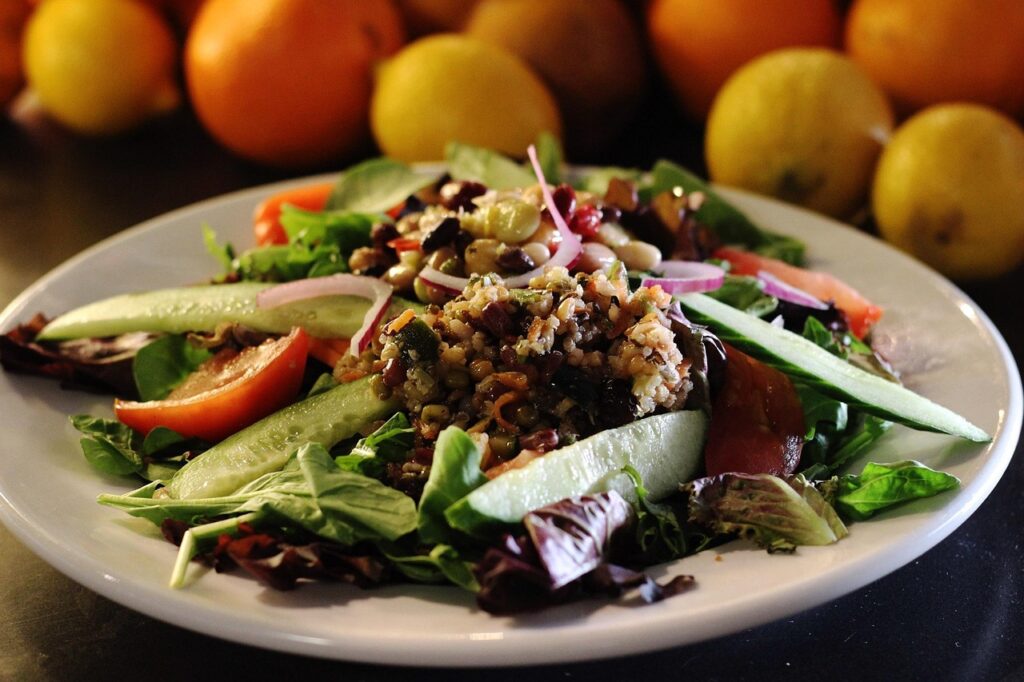
Start with your base: one cup of dry quinoa. You’ll also need cherry tomatoes, cucumber, red onion, and a can of chickpeas.
For the Mediterranean touch, grab some feta cheese and Kalamata olives.
The dressing is simple. Olive oil, fresh lemon juice, dried oregano, salt, and pepper. That’s it.
(No fancy ingredients you’ll use once and forget about.)
How to Make It
First, cook your quinoa right. Rinse it under cold water for about 30 seconds. This removes the bitter coating that most people don’t know about.
Use a 2:1 ratio. Two cups of water for every cup of quinoa.
Bring the water to a boil, add your quinoa, then drop it to a simmer. Cover it and let it cook for about 15 minutes. You’ll know it’s done when you see little spirals coming off each grain.
Take it off the heat and let it sit covered for five minutes. Then fluff it with a fork and spread it on a plate to cool.
While that’s cooling, chop your vegetables. Cut the cherry tomatoes in half. Dice the cucumber into bite-sized pieces. Slice the red onion thin because nobody wants a mouthful of raw onion.
Drain and rinse your chickpeas.
Now make your dressing. Whisk together three tablespoons of olive oil with the juice of one lemon. Add a teaspoon of oregano, salt, and pepper to taste.
Toss everything together in a big bowl. Add the feta and olives last so they don’t get crushed.
Why This Works
Quinoa is one of the few plant foods that gives you all nine essential amino acids. That means it’s a complete protein, which is rare if you’re not eating meat.
One cup of cooked quinoa has about 8 grams of protein and 5 grams of fiber.
The olive oil and olives bring healthy fats that help you feel full. These are the same monounsaturated fats that show up in studies about heart health and longevity.
If you want to learn more about building balanced meals like this, check out the baking infoguide fhthrecipe for more kitchen tips.
The Numbers
A serving of this salad (about 1.5 cups) comes in around 380 calories. You get roughly 14 grams of protein, 45 grams of carbs, and 16 grams of fat.
That’s a balanced plate that’ll keep you going through the afternoon without the crash.
The best part? You can pack this in containers on Sunday and have lunch sorted for the next four days. Just keep the dressing separate if you prefer it extra fresh.
Satisfying Dinner: One-Pan Lemon Herb Salmon & Asparagus
I still remember the first time I made salmon on a sheet pan.
It was a Tuesday night and I’d just gotten home from work. I was tired and hungry and the last thing I wanted was a sink full of dishes. So I threw everything on one pan and hoped for the best.
What came out of that oven changed how I think about weeknight cooking.
Now some people will tell you that good salmon needs fancy techniques. That you should pan-sear it or poach it in butter. And sure, those methods work if you’ve got the time and energy.
But here’s what they don’t mention. You can get restaurant-quality results with way less effort.
This one-pan meal gives you flaky salmon with crispy edges and perfectly tender asparagus. The lemon and herbs make everything taste bright and fresh. And when dinner’s done, you’ve got exactly one pan to clean.
What You’ll Need
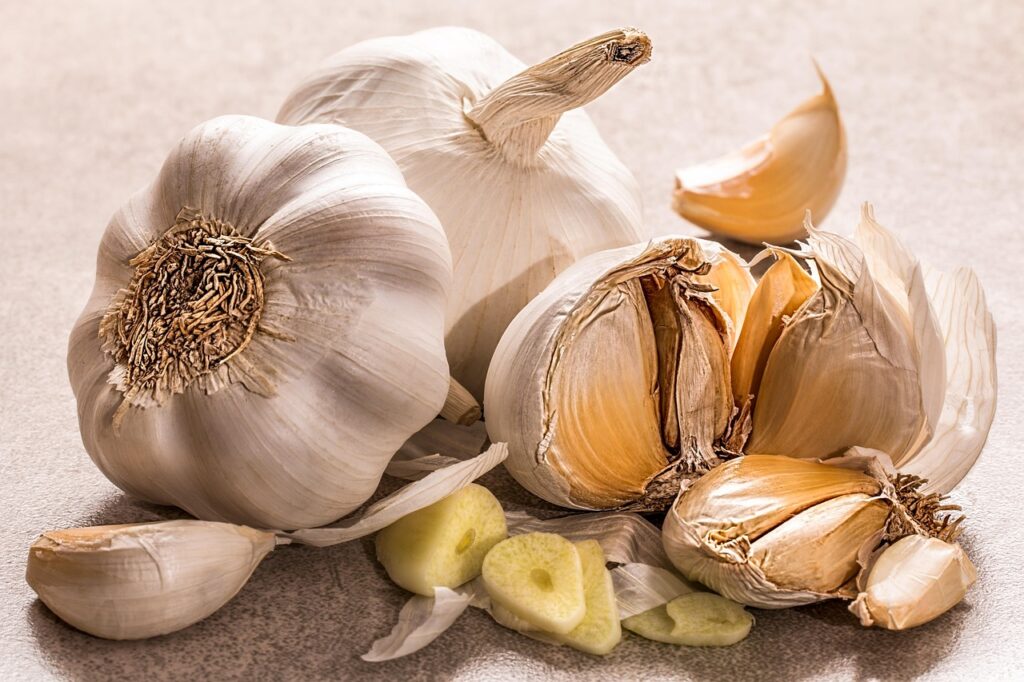
Grab some salmon fillets and fresh asparagus. You’ll also need a lemon, olive oil, garlic, and either fresh dill or parsley. Salt and pepper round things out.
That’s it. Nothing complicated.
How to Make It
Preheat your oven to 400°F.
Line a sheet pan with parchment paper (trust me on this). Arrange your asparagus in the middle and place the salmon fillets on top or beside them.
Drizzle everything with olive oil. Add minced garlic, chopped herbs, salt, and pepper. Squeeze that lemon over the whole thing and toss a few lemon slices on top of the salmon.
Roast for about 12 to 15 minutes. The salmon should flake easily with a fork and the asparagus will have a little char on the edges.
Pull it out and you’re done.
Why This Meal Works for You
One serving gives you around 350 calories with about 35 grams of protein. But what really matters here are the omega-3 fatty acids in salmon.
Your brain needs omega-3s to function properly. So does your heart. Studies show that eating fatty fish twice a week can lower your risk of heart disease (according to the American Heart Association).
When you’re looking for more recipes like this, check out the food infoguide fhthrecipe for ideas that keep cooking simple and satisfying.
Start Your Healthy Cooking Journey Today
You came here looking for recipes that actually work.
Ones that taste good and won’t wreck your health goals. I get it because that’s exactly why I created FHTH Recipe.
You now have three solid recipes with all the nutritional details you need. No guessing about what you’re putting in your body.
The search for tasty and simple healthy meals ends here.
These recipes work because they use whole ingredients and smart cooking techniques. You don’t have to choose between flavor and health anymore.
I’ve tested each one to make sure it delivers on both fronts.
Here’s what I want you to do: Pick one recipe and make it this week. Just one.
See how it feels to cook something that’s actually good for you and tastes like it too. That’s when you’ll realize healthy eating doesn’t have to be a chore.
Start small and build from there. Your kitchen is about to become a lot more interesting. Homepage.