What Makes a Dish Comforting
Comfort food isn’t just about calories it’s about connection. These dishes remind us of home, healing, and happier times. In this section, we break down what truly makes a recipe feel like a warm hug on a plate.
The Building Blocks of Comfort
Certain qualities define comfort food around the world:
Warmth: Served hot and satisfying think stews, soups, and casseroles
Simple ingredients: Nothing overcomplicated; pantry staples often shine the brightest
Ease of preparation: Familiar steps and forgiving methods mean less stress in the kitchen
A Taste of Nostalgia
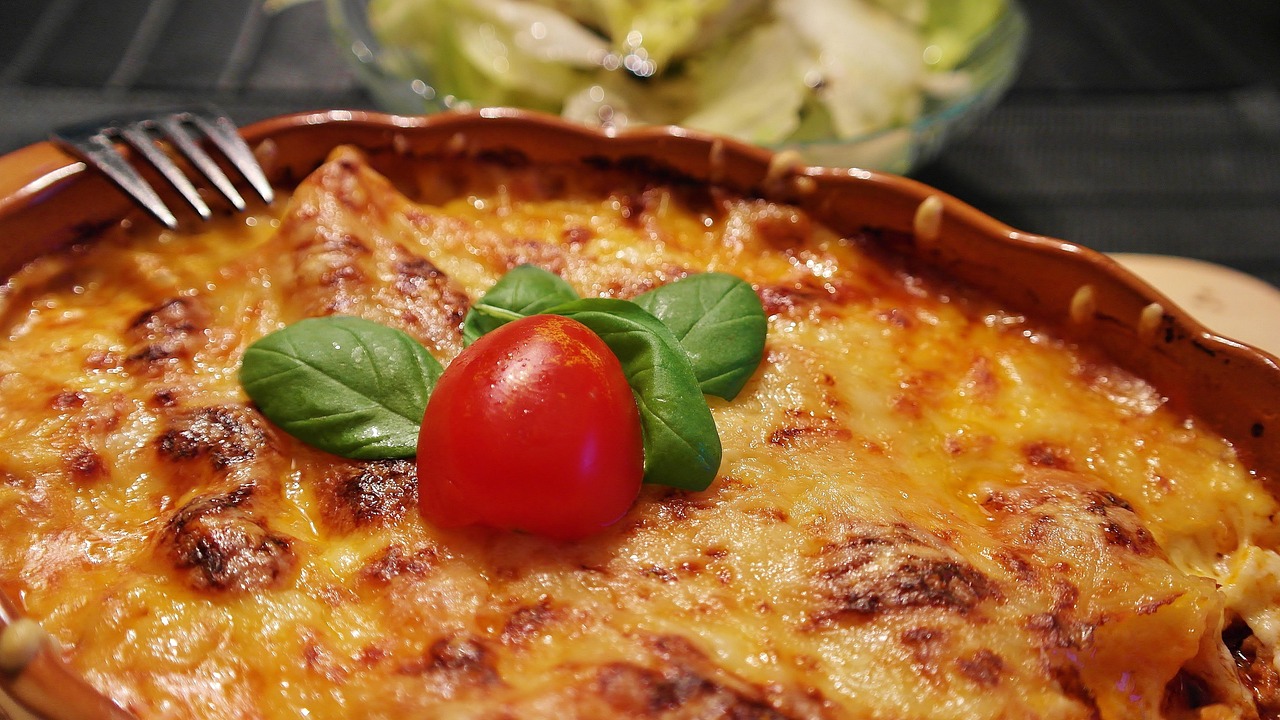
There’s a reason we gravitate toward our grandma’s lasagna or a childhood classic like grilled cheese. These meals carry emotional weight:
Memory linked recipes can evoke feelings of safety and care
Family traditions often revolve around specific dishes
Smells and textures (like freshly baked bread) can be powerful emotional triggers
Flavors That Feed the Soul
Science agrees: certain tastes lift our mood and calm our nerves. Popular flavor profiles that tend to comfort include:
Savory and umami rich: Cheeses, slow cooked meats, hearty broths
Sweet and familiar: Vanilla, cinnamon, brown sugar, and warm fruits
Creamy textures: Found in mashed potatoes, mac and cheese, or rice pudding
Together, these elements create meals that do more than fill you up they offer comfort, calm, and connection with every bite.
Crowd Favorites That Never Fail
Let’s not overthink it: some dishes comfort because they just work, every time. Creamy mac and cheese is top of that list. It’s rich, soft, a little indulgent, and wildly adaptable. Whether it’s baked with a crunchy top or scooped hot off the stovetop, mac and cheese hits that perfect mix of cozy and satisfying. It also welcomes upgrades think smoked gouda, a bit of mustard powder, or even a handful of crispy bacon but stays solid on its own.
Chicken and rice soup is quieter comfort. It’s patience in a bowl. This is the stuff you want when you’re sick, tired, or trying to keep things simple. Warm broth, cooked down onions, tender rice, soft chicken it’s the kind of recipe that doesn’t just fill your stomach, it calms you. Slow simmered and low fuss, it may be made with humble ingredients, but it has real weight when it comes to healing.
Meatloaf gets a bad rap, but fresh from the oven, it’s pure nostalgia. There’s something about that hot slice moist, savory, topped with a caramelized strip of ketchup glaze that makes you feel grounded. It’s filling and forgiving. It also gives you next day leftovers that somehow taste even better. For many, one bite can trigger a dozen kitchen table memories. That’s comfort, plain and simple.
Regional Comfort Classics Worth Trying
Some comfort foods hit different depending on where you’re from or where your cravings want to go. These regional staples don’t just fill a plate. They anchor you, remind you who you are, or introduce you to someone else’s version of home.
Southern style biscuits and gravy are the gold standard of down home comfort. Buttery, flaky biscuits smothered in peppery sausage gravy don’t mess around. Quick to prep, faster to devour, and never not satisfying. Ideal for slow mornings or rough days in need of a reset.
Then there are Midwest casseroles no frills, family first dishes built to feed a crowd and soak up a tough week. Whether it’s tater tot hotdish or tuna noodle bake, these are meals born from practicality and perfected by repetition. Dump, stir, bake. Serve with a side of second helpings.
Step outside the U.S., and the theme holds. Congee warms from the inside out, a silky rice porridge that adapts to whatever you add in ginger, scallions, shredded chicken. Nearby, curry offers depth and heat, with endless interpretations from India to Thailand. And tagines, sweet savory stews slow cooked in clay pots, bring North African comfort with their fragrance alone. Doesn’t matter where you’re tucked in comfort travels well.
Comfort Baking for All Skill Levels
Baking hits different. It slows you down, centers your focus, and lets you make something real with your hands. For many, it’s therapy structured creativity with a sweet reward at the end. Mixing ingredients, watching dough rise, and pulling something golden from the oven brings a quiet kind of joy. Especially when the world feels chaotic, baking gives you control, one measured cup at a time.
If you’re just getting started, lean into the classics. Banana bread: forgiving, flavorful, and hard to mess up. Basic cookies? Endless custom options and perfect for experimenting. A no frills pie maybe apple or pumpkin teaches crust technique without overcomplicating things. Keep it simple, and you’ll build confidence fast.
Consistency is the game in baking, and it starts with three things: good ingredients, understanding your oven, and not rushing the process. Preheat properly. Don’t guess on measurements. Rotate pans halfway through baking. Small habits make a big difference.
Ready to go deeper? Our baking guide insights break down key techniques and common mistakes worth a glance if you’re aiming for bakery level results without the guesswork.
Smart Swaps for Health Conscious Comfort
Comfort food doesn’t have to mean a heavy calorie load or compromise on your wellness goals. With a few thoughtful substitutions, you can create dishes that feel indulgent but are easier on your body too. Here are some ways to bring balance to your favorite comfort meals.
Reduce Sugar Without Losing Flavor
Sugar is often central to comfort desserts but dialing it back is easier than you think.
Use fruit purées like mashed bananas, applesauce, or dates to naturally sweeten baked goods
Try spices such as cinnamon, nutmeg, or vanilla extract to enhance natural sweetness
Swap refined sugar for maple syrup or coconut sugar for lower glycemic options
Tip: Start by reducing sugar by 25% in recipes and adjust to taste you may not even notice the difference.
Plant Based, but Still Soul Filling
Whether you’re cutting down on meat or going fully plant based, comfort food can still satisfy.
Use mushrooms, lentils, or jackfruit as hearty meat substitutes in stews, tacos, or bakes
Opt for dairy free milks (like oat or coconut milk) in mashed potatoes, puddings, and sauces
Nutritional yeast, cashew cream, or tahini can replace cheese while keeping that rich, savory depth
These swaps retain the warmth and nostalgia without sacrificing your dietary goals.
Comfort Food That’s Freezer Friendly
One of the best things about comfort food? It re heats beautifully.
Double up on soups, casseroles, and sauces perfect for freezing in individual portions
Flash freeze baked goods like muffins, breads, and hand pies to keep treats on hand
Label and date everything so future you always knows what’s ready to enjoy
Batch cooking not only saves time, but also ensures you’ve got wholesome, feel good meals on standby during hectic weeks.
Healthy comfort food is less about restriction and more about mindful tweaks. With the right swaps, you can nourish both body and soul without losing the cozy, familiar feeling that makes comfort food so beloved.
Bonus: How to Make It Yours
Comfort food doesn’t have to be generic it hits deeper when it feels personal. Tweaking classic recipes to match your own nostalgia is half the magic. Swap the cheddar in your mac and cheese for the gooey melt you grew up with. Add a spice your grandmother always used. Bring in texture with toppings or stir ins you remember from childhood.
Homemade touches make a basic dish memorable. Toasting the breadcrumbs, using fresh herbs, or even switching to homemade broth can turn a Tuesday night meal into something that feels slow cooked and intentional. You don’t need fancy techniques just care and a couple of thoughtful upgrades.
And don’t be afraid to experiment. Add heat, subtract dairy, go gluten free if that’s your thing. Just don’t overthink it. Comfort food isn’t delicate. It’s flexible. Try, taste, tweak. Keep it honest and it’ll always work for you.
Need help with baking basics or techniques? Check out our expert backed baking guide insights to level up your comfort food creations.
 Samuellle Rosantiere is the kind of writer who genuinely cannot publish something without checking it twice. Maybe three times. They came to cooking tips and techniques through years of hands-on work rather than theory, which means the things they writes about — Cooking Tips and Techniques, Delicious Recipe Ideas, Ingredient Spotlights, among other areas — are things they has actually tested, questioned, and revised opinions on more than once.
That shows in the work. Samuellle's pieces tend to go a level deeper than most. Not in a way that becomes unreadable, but in a way that makes you realize you'd been missing something important. They has a habit of finding the detail that everybody else glosses over and making it the center of the story — which sounds simple, but takes a rare combination of curiosity and patience to pull off consistently. The writing never feels rushed. It feels like someone who sat with the subject long enough to actually understand it.
Outside of specific topics, what Samuellle cares about most is whether the reader walks away with something useful. Not impressed. Not entertained. Useful. That's a harder bar to clear than it sounds, and they clears it more often than not — which is why readers tend to remember Samuellle's articles long after they've forgotten the headline.
Samuellle Rosantiere is the kind of writer who genuinely cannot publish something without checking it twice. Maybe three times. They came to cooking tips and techniques through years of hands-on work rather than theory, which means the things they writes about — Cooking Tips and Techniques, Delicious Recipe Ideas, Ingredient Spotlights, among other areas — are things they has actually tested, questioned, and revised opinions on more than once.
That shows in the work. Samuellle's pieces tend to go a level deeper than most. Not in a way that becomes unreadable, but in a way that makes you realize you'd been missing something important. They has a habit of finding the detail that everybody else glosses over and making it the center of the story — which sounds simple, but takes a rare combination of curiosity and patience to pull off consistently. The writing never feels rushed. It feels like someone who sat with the subject long enough to actually understand it.
Outside of specific topics, what Samuellle cares about most is whether the reader walks away with something useful. Not impressed. Not entertained. Useful. That's a harder bar to clear than it sounds, and they clears it more often than not — which is why readers tend to remember Samuellle's articles long after they've forgotten the headline.